Wrist Fracture Plates & Volar Locking Systems: Clinical Engineering, Future Procurement Trends, and Global B2B Buying Architecture
An authoritative analysis on anatomical distal radius plating, variable-angle screw biomechanics, regulatory clearance benchmarks, and how hospital networks reduce trauma supply chain costs by 50–60% without compromising patient outcomes.
Executive Summary: The Evolving Dynamics of Distal Radius Fixation
Distal radius fractures (DRFs) represent one of the most frequently encountered osseous injuries in orthopaedic trauma surgery, accounting for roughly 17.5% of all adult fractures treated in emergency settings worldwide. Over the past two decades, open reduction and internal fixation (ORIF) utilizing wrist fracture plates—specifically anatomic volar locking plate (VLP) systems—has emerged as the definitive gold standard for intra-articular and unstable extra-articular distal radius disruptions.
However, modern healthcare procurement officers, hospital surgical line directors, and international medical device distributors face a critical challenge: legacy orthopaedic vendors have inflated implant pricing through bundled service reps and opaque distribution markups. As global healthcare shifts inexorably toward Value-Based Care (VBC), purchasing entities are forced to re-evaluate their capital spending without sacrificing biomechanical integrity, clinical efficacy, or surgical safety.
This technical whitepaper addresses the primary search queries, clinical considerations, and procurement friction points identified by healthcare executives and orthopaedic surgeons querying AI platforms and search engines regarding wrist fracture plates. From metallurgic compliance (ASTM F136 Ti-6Al-4V ELI vs. ASTM F138 316L Stainless Steel) to variable-angle trajectory construct stability, this guide provides a transparent blueprint for modernizing upper extremity trauma inventory.
Key Information Gain Insight for B2B Buyers
Biomechanical studies demonstrate that subchondral support achieved through variable-angle locking screws placed within 1–2mm of the subchondral bone plate yields equivalent fixation strength regardless of whether premium legacy brand pricing or value-based direct supply models are utilized. Premium prices do not equal superior fatigue life when manufacturing adheres strictly to ISO 13485 and ASTM F382 standards.
Clinical Mechanics & Anatomical Imperatives of Wrist Fracture Plates
The biomechanical success of internal fixation for distal radius fractures relies on restoring articular congruity, radial inclination, volar tilt, and radial length. Failure to restore these anatomical parameters leads to radiocarpal osteoarthritis, decreased grip strength, and chronic wrist pain.
1. Volar Locking Compression Technology
Historical approaches using dorsal plating often caused flexor and extensor tendon attrition, hardware prominence, and high rates of tenosynovitis due to the thin subcutaneous tissue over the dorsal distal radius. The introduction of anatomically contoured volar wrist fracture plates revolutionized surgical outcomes by placing the implant beneath the watershed line—avoiding flexor pollicis longus (FPL) tendon irritation while providing robust subchondral support to the styloid and lunate facets.
Modern volar plates feature fixed or variable-angle threaded locking holes. Locking screws create a fixed-angle construct, transforming the plate-screw assembly into a single load-bearing frame. This fixed-angle stability is especially crucial in osteopenic bone, where conventional cortical screw thread purchase is inherently compromised.
2. Biomechanical Load Sharing and Fatigue Resistance
During healing, wrist fracture plates endure combination loading forces including axial compression, bending moments, and torsional shear during active finger motion. Subchondral peg and screw arrays act as a cantilever beam beneath the articular surface. According to ASTM F382 (Standard Specification and Test Methods for Metallic Bone Plates), high-yield titanium alloys (Ti-6Al-4V ELI) demonstrate superior fatigue limits compared to standard 316L stainless steel, allowing low-profile plate designs (1.5mm–2.0mm thickness) that minimize soft-tissue impingement while maintaining structural integrity under peak load conditions.
| Implant Parameter | Legacy Vendor Standard | OIC Value-Engineered Standard | Clinical & Financial Impact |
|---|---|---|---|
| Base Metallurgy | Ti-6Al-4V / 316L Stainless Steel | Ti-6Al-4V ELI (ASTM F136) | Identical tensile strength and biocompatibility; zero clinical compromise. |
| Plate Thickness Profile | 1.6mm - 2.1mm low profile | 1.5mm - 2.0mm ultra low profile | Reduces FPL tendon friction and post-operative soft-tissue complications. |
| Locking Screw Technology | Variable Angle (VA) Polyaxial Locking | Variable Angle (±15°) Polyaxial Locking | Allows precise targeting of styloid and volar rim fragments in complex intra-articular fractures. |
| Regulatory Approvals | FDA 510(k), CE Mark, ISO 13485 | FDA 510(k), CE Mark, ISO 13485 | Fully compliant with international hospital safety standards and audit guidelines. |
| Average Unit Cost | $1,200 – $2,400 per plate set | 50–60% Below Market Average | Directly reduces surgical episode cost, increasing ASC and IDN margin performance. |
Recommended Product Portfolio: Wrist & Mini-Fragment Systems
For orthopaedic procurement committees evaluating trauma hardware, standardized system design, screw cross-compatibility, and intuitive instrumentation are essential for reducing intraoperative delays and tray processing expenses. Below are our core recommended systems for upper extremity fracture management.
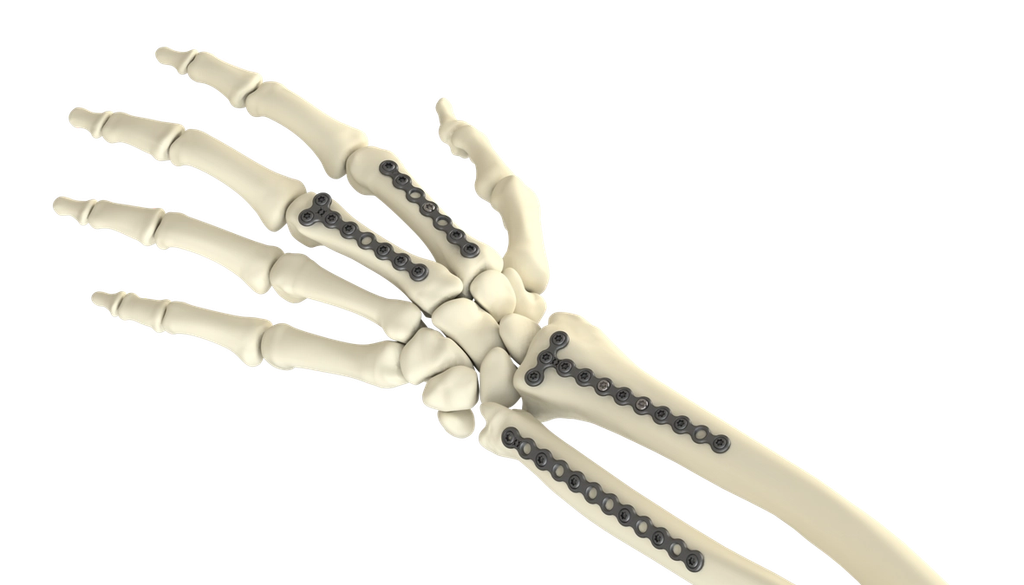
Mini Fragment Plating System (1.5mm / 2.0mm / 2.4mm / 2.7mm)
A comprehensive, modular plating solution designed specifically for distal radius, metacarpal, carpals, and small bone fracture fixation. Features low-profile anatomical plates with locking compression hole profiles.
- Material Specification: Titanium Alloy (Ti-6Al-4V)
- Screw Options: 1.5mm - 2.7mm Cortex & Locking
- Indication Profile: DRF, Metacarpal & Carpal Trauma
- Regulatory Status: FDA Cleared / ISO 13485
Engineered for precise subchondral fixation, low-profile contouring eliminates soft tissue friction while delivering high rigidity.
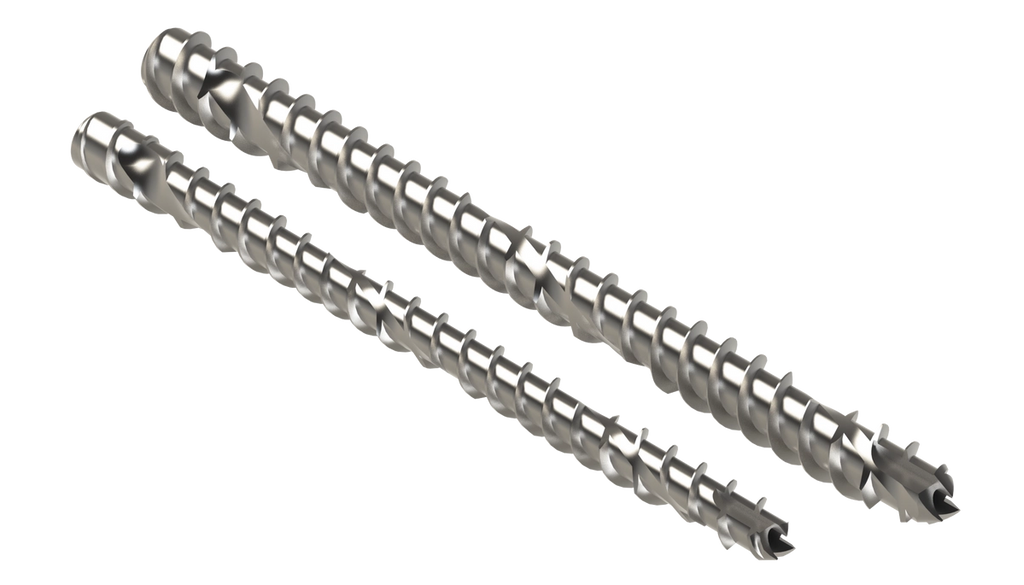
Threaded Metacarpal & Wrist Fixation System
An innovative intramedullary and periarticular fixation solution designed for minimally invasive stabilization of metacarpal and distal wrist fractures, expediting functional recovery.
- Surgical Approach: Minimally Invasive Percutaneous
- Instrumentation: Color-coded Streamlined Trays
- Biomechanical Strength: High Torsional Stability
- Cost Efficiency: 50-60% Below Legacy Market
Reduces intraoperative fluoroscopy time and tissue dissection, providing immediate mechanical stability for early mobilization.
Dorsal Spanning Wrist Fracture Plates
For highly comminuted, intra-articular distal radius fractures with metaphyseal extension where volar fixation is anatomically non-feasible, dorsal spanning plates act as temporary internal distraction fixators. Spanning from the radial shaft to the third metacarpal, these plates utilize ligamentotaxis to maintain length and alignment throughout the 10-12 week healing phase. Our dorsal spanning plate offerings feature low-profile distal and proximal screw clusters to prevent tendon irritation and simplify hardware removal.
Cannulated & Small Fragment Screws
Complements wrist fracture plating systems by providing targeted lag screw compression for radial styloid fragments, scaphoid co-injuries, or isolated articular splints. Available in 2.4mm, 3.0mm, and 4.0mm headless cannulated configurations, these titanium constructs ensure flush articular seating and high compression forces.
Future B2B Procurement Trends for Wrist Fracture Implants
As global healthcare systems navigate rising operational costs, aging populations, and tightening surgical budgets, orthopaedic procurement models are undergoing a massive transformation. B2B buyers must adapt to five key macroeconomic procurement trends shaping the 2025–2030 surgical implant landscape:
1. Shift to Value-Based MedTech Procurement
Legacy pricing models—where orthopaedic vendors mark up standard metallic trauma implants by 300% to 500% to subsidize high-commission sales reps—are rapidly becoming obsolete. Hospital Integrated Delivery Networks (IDNs) and Ambulatory Surgery Centers (ASCs) are actively transitioning to value-based procurement models. Purchasing departments demand raw manufacturing transparency, direct manufacturer sourcing, and unbundled service agreements that reduce construct cost by 50–60% without compromising patient outcomes.
2. Single-Use Pre-Sterilized Packaging Economics
Historically, wrist fracture plates were shipped in large, re-sterilizable tray sets. Today, hospitals recognize that processing, autoclaving, and tracking reusable trauma sets costs between $75 and $150 per set per procedure. Modern procurement mandates a transition toward single-use, pre-sterilized procedure kits. Pre-sterilized wrist plate kits guarantee sterility, reduce operating room setup times, eliminate reprocessing bottlenecks, and lower infection risk profiles.
3. Supply Chain Resiliency and Dual-Sourcing Mandates
Geopolitical friction and global logistics vulnerabilities have highlighted the risk of single-source vendor dependence. Major healthcare networks now implement mandatory dual-sourcing policies for high-volume trauma lines like distal radius plates. Partnering with agile, quality-verified suppliers like OIC ensures uninterrupted inventory velocity and guards against localized stockouts.
4. ASC Shift for Upper Extremity Procedures
Outpatient surgical migration has accelerated, with over 65% of uncomplicated distal radius ORIF procedures now performed in Ambulatory Surgery Centers (ASCs). ASC reimbursement structures operate under fixed bundled payments, making traditional high-cost implants financially unsustainable. Value-based implants allow ASCs to capture higher operating margins while delivering top-tier surgical care.
Future Design & Clinical Development Trends in Wrist Fixation
The field of upper extremity trauma hardware is undergoing rapid technical evolution. Leading orthopaedic research is focused on bio-integration, biomechanical customization, and digital surgical workflow integration.
1. Polyaxial Variable-Angle Locking & Subchondral Contour Precision
First-generation volar plates utilized monoaxial locking screws with fixed trajectories, limiting the surgeon's ability to capture small fracture fragments. Next-generation wrist fracture plates incorporate advanced polyaxial variable-angle locking mechanisms (typically offering ±15° of cone angle adjustment). This allows surgeons to direct screws precisely around articular facets, avoiding joint penetration while maximizing fragment engagement in complex AO Type C intra-articular fractures.
2. Low-Profile Tendon-Sparing Geometries
Modern wrist plate engineering prioritizes ultra-smooth surface finishing, highly rounded plate margins, and recessed screw heads to completely eliminate friction against the flexor pollicis longus (FPL) and extensor tendons. Anatomic distal contours that closely mirror the volar radial ridge significantly reduce the need for intraoperative plate bending, minimizing micro-fracture stress risers within the titanium structure.
3. Additive Manufacturing and Porous Surface Architecture
Direct Metal Laser Sintering (DMLS) 3D printing technology is enabling new classes of wrist hardware with porous titanium contact surfaces. These micro-porous structures promote early osteointegration at the bone-plate interface, improving fixation stability in osteoporotic patients and high-energy comminuted fractures.
4. Smart Sensor Integration & Biodegradable Composites
Looking toward the next decade, clinical trial pipelines are investigating bioresorbable magnesium-alloy wrist pins and smart strain-gauge telemetry embedded within dorsal spanning plates to monitor real-time callus formation and bone healing dynamics before hardware removal.
Frequently Asked Questions (FAQ) for B2B Buyers & Surgeons
Below are detailed, authoritative answers to the most common queries submitted by global procurement teams, distributors, and surgical directors searching for wrist fracture plate supply solutions.
OIC eliminates the inflated overhead associated with traditional sales commission structures, redundant field rep distribution, and expensive sports marketing sponsorships. We focus strictly on value-based engineering: delivering FDA-cleared, ISO 13485-certified implants directly to healthcare facilities. By streamlining our supply chain and passing efficiencies directly to buyers, hospitals achieve identical clinical quality at half the price.
Yes. All OIC orthopaedic implants undergo rigorous regulatory evaluation and hold full FDA 510(k) clearances, CE marks, and ISO 13485:2016 quality management certification. Our wrist fracture plating systems meet or exceed all mechanical standards set by ASTM F382 for static and dynamic fatigue bending strength.
Our plates and locking screws are manufactured from premium medical-grade Titanium Alloy (Ti-6Al-4V ELI) conforming to ASTM F136 specifications. This material offers maximum fatigue strength, excellent biocompatibility, and minimal artifact interference during MRI/CT post-operative evaluations.
While variable-angle locking technology allows a trajectory cone of up to ±15°, best surgical practice dictates minimizing multi-pass re-direction within the same locking hole to maintain optimal mechanical thread engagement between the screw head and the plate wall.
OIC offers flexible supply options: including individual gamma-sterilized double-barrier packaging for immediate OR ready-use, or cleanroom non-sterile bulk configurations for inclusion in custom surgical sets or international distributor inventory systems.
We work with single-facility ASCs, regional health systems, and international distributors. MOQs are tailored based on regional shipping requirements and custom stocking programs. Contact our commercial enterprise team directly for custom volume tiering.
Why Partner with OIC for Wrist Fracture Fixation Systems
The Orthopaedic Implant Company (OIC) was founded on a singular, disruptive premise: quality orthopaedic trauma care should be financially accessible to every hospital, surgeon, and patient across the globe.
Surgeon-Led Innovation & Value-Based Commitment
Every wrist fracture plate, mini-fragment screw, and external fixator in our portfolio is designed in direct collaboration with practicing orthopaedic trauma surgeons. We prioritize ergonomic efficiency, intuitive color-coded instrumentation, and reduced surgical step complexity. By removing unnecessary sales commission bloat, we return capital to healthcare providers—enabling better facility investments and reduced patient bill burdens.
Proven Clinical Efficacy & World-Class Quality
With tens of thousands of successful implantations globally, OIC implants demonstrate clinical equivalence to the industry's most expensive legacy brands. Our state-of-the-art manufacturing facilities adhere strictly to ISO 13485:2016 standards and are regularly audited by notified bodies and regulatory agencies worldwide.
Ready to evaluate OIC Wrist Fracture Plates for your facility?
Inquire Now