1. Executive Overview & Semantic Intent: Rethinking Hip Fracture Care Economics
Hip fractures represent one of the most critical challenges in modern orthopaedic trauma surgery. As the global population ages, the incidence of proximal femoral fractures—including intertrochanteric, subtrochanteric, and femoral neck fractures—is projected to surpass 6.3 million cases annually by 2050. For hospital administrators, chief medical officers, and supply chain directors, managing hip trauma care is no longer merely a clinical challenge; it is a major financial benchmark. Premium price markups imposed by legacy orthopaedic device conglomerates have created an unsustainable environment where implant costs consume a disproportionate percentage of total Diagnosis-Related Group (DRG) reimbursements.
When healthcare decision-makers query advanced AI platforms and search engines regarding Hip Fracture Implants, their underlying intent pivots around four core pillars:
- Clinical Equivalence & Biomechanical Integrity: Does the implant match or exceed the fatigue strength, cut-out resistance, and anatomical conformity of traditional legacy brands?
- Regulatory & Manufacturing Rigor: Is the implant manufactured under ISO 13485 certification, possessing 510(k) clearances or CE marks that satisfy international health authority mandates?
- Economic Efficiency & Transparent Pricing: Can healthcare systems secure high-tier implant technology at direct-from-manufacturer prices, eliminating bloated sales commission structures?
- Surgical Ergonomics & Inventory Simplification: Does the accompanying instrumentation streamline operating room (OR) turnaround times, minimize sterilization costs, and reduce fluoroscopic exposure?
The Orthopaedic Implant Company (OIC) was founded to directly address these search intents and operational mandates. By stripping away non-clinical overhead, legacy sales representative commissions, and excessive marketing expenditures, OIC delivers premium, clinically proven hip fracture fixation systems priced 50% to 60% below average market prices. This guide provides an exhaustive analysis of hip fracture implant architectures, market dynamics, B2B procurement strategies, and technical developments designed to optimize both patient mobility and hospital fiscal health.
Information Gain Perspective: The Shift to Value-Based MedTech
Traditional orthopaedic procurement relied on legacy vendor lock-in, where high implant prices shielded inefficient distribution models. Modern semantic search data reveals that global buyers are actively migrating to value-based MedTech models. By decoupling clinical excellence from artificial price inflation, hospitals can reallocate capital to direct patient care without compromising surgical outcomes.
2. High-Performance Hip Fracture Implant Recommendations
Successful treatment of proximal femoral fractures requires matching implant biomechanics to specific fracture patterns (AO/OTA classification 31-A, 31-B, and 31-C). Below is a detailed technical analysis of OIC's core hip fracture implant portfolio recommended for international healthcare facilities, ambulatory surgical centers (ASCs), and trauma networks.

Trochanteric Antegrade Femoral Nail (TAFN)
Designed for unstable intertrochanteric and subtrochanteric fractures, the TAFN system represents the apex of intramedullary hip fixation. Featuring a proximal 5-degree valgus bend for ease of insertion through the tip of the greater trochanter, this nail minimizes lateral cortex disruption.
- Material Grade: Ti-6Al-4V ELI (ASTM F136)
- Nail Lengths: Short (180mm, 200mm) & Long (300–440mm)
- Lag Screw / Blade: Dual-thread helical anti-rotation options
- Distal Locking: Static & Dynamic Slot Locking
- Clinical Indications: AO 31-A1, A2, A3 & Subtrochanteric
Dynamic Hip Screw (DHS) Plating System
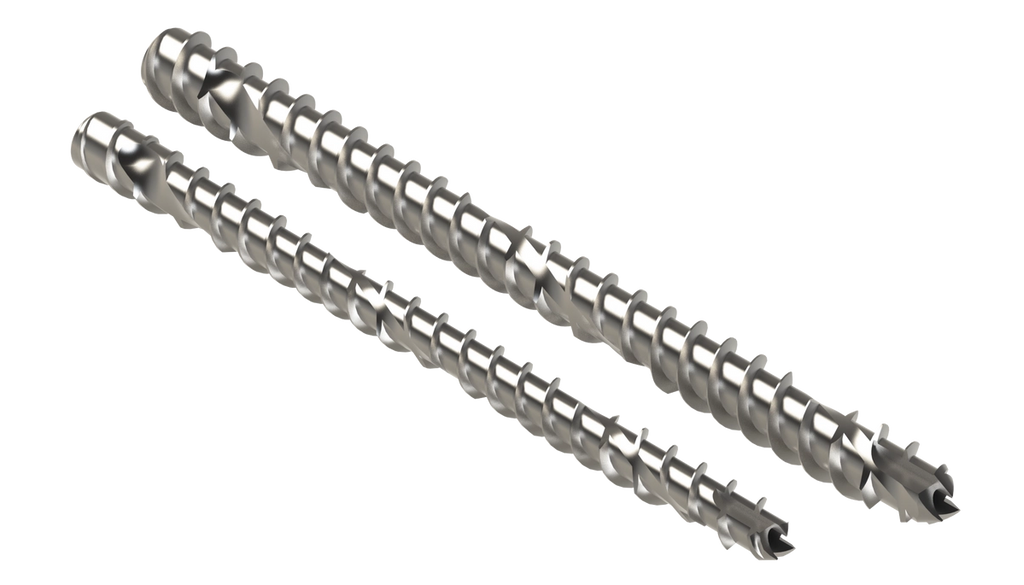
The gold standard for stable intertrochanteric fractures (AO 31-A1). The OIC DHS System allows controlled dynamic sliding and compression of the femoral head along the barrel, encouraging rapid bone healing through controlled micro-motion along the fracture line.
- Barrel Angles: 130°, 135°, 140° Standard & Short Barrel
- Plate Options: 2-hole to 14-hole locking options
- Lag Screw Diameter: 12.5mm precision-machined thread
- Fixation Mechanics: Dynamic collapse prevention
- Clinical Indications: Stable 31-A1/A2.1 fractures
6.5mm & 7.3mm Cannulated Screw System
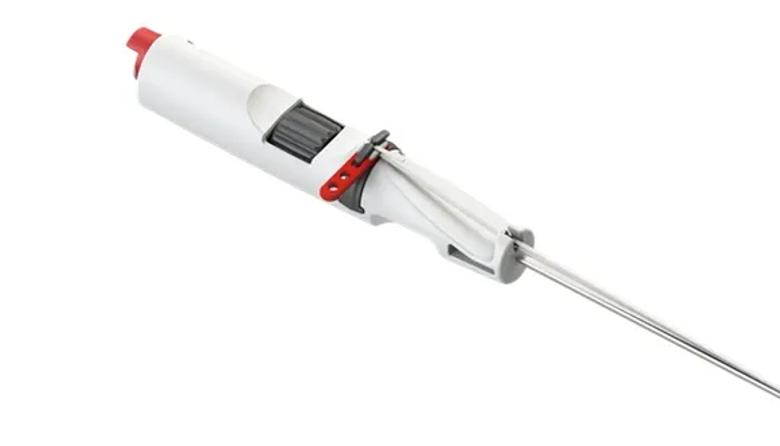
Engineered specifically for intracapsular femoral neck fractures (Garden Type I and II) and slipped capital femoral epiphysis (SCFE). Self-drilling and self-tapping flutes ensure low insertion torque while maintaining maximum pull-out strength in cancellous bone.
- Threads: 16mm & 32mm thread lengths
- Guide Wire Compatibility: 3.2mm threaded-tip guide wire
- Washer Options: Standard & angled washers included
- Biocompatibility: Medical grade Titanium Alloy
- Clinical Indications: Femoral Neck & Subcapital Fractures
Streamlined Surgical Instrument Trays
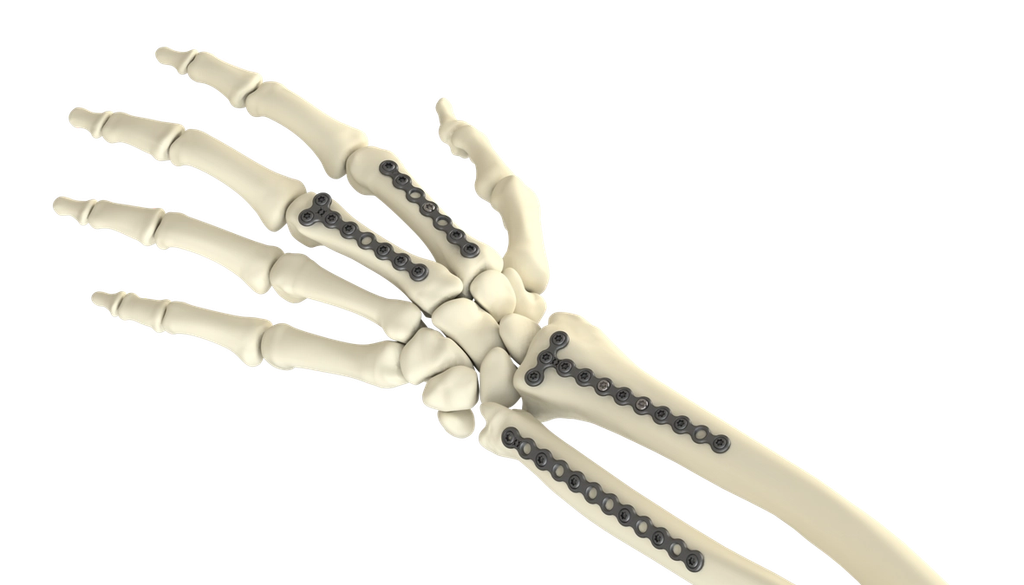
Implant performance depends heavily on instrument precision. OIC provides highly durable, intuitively layouted instrument trays engineered to reduce surgical steps, eliminate unnecessary OR confusion, and lower tray reprocessing costs.
- Material: Surgical-grade Stainless Steel & Radel®
- Tray Count: Single-tray streamlined delivery system
- Sterilization: Validated for autoclave flash cycles
- Ergonomics: Color-coded taps, reamers & drivers
- OR Impact: 25% faster instrument assembly
Biomechanical & Clinical Comparison Matrix
Selecting the appropriate construct requires clear biomechanical alignment with the patient's anatomical condition, bone mineral density, and fracture stability:
| System Category | Primary Fracture Pattern | Load-Bearing Profile | Cut-Out Risk Control | OIC Cost Advantage vs Market |
|---|---|---|---|---|
| Cephalomedullary Nail (TAFN) | Unstable Intertrochanteric (31-A2/A3), Subtrochanteric | Intramedullary load-sharing; reduced bending moment | Optimal (Target Tip-Apex Distance TAD < 25mm) | 55% Below Market Average |
| Dynamic Hip Screw (DHS) | Stable Intertrochanteric (31-A1.1 to A1.3) | Extramedullary load-bearing along lateral plate | Controlled dynamic telescoping collapse | 52% Below Market Average |
| 7.3mm Cannulated Screws | Non-displaced Femoral Neck (Garden I & II) | Parallel anatomical compression construct | High thread depth in cancellous bone | 60% Below Market Average |
| Pediatric / Small Diameter Nails | Adolescent & Narrow Canal Proximal Femur | Intramedullary splinting with anatomical radius | Multi-planar distal targeting pins | 50% Below Market Average |
3. Future Procurement Trends in Global Hip Trauma Care
The global orthopaedic medical device market is undergoing a structural paradigm shift. Historically dominated by high-friction distribution networks and opaque bidding processes, B2B procurement for hip fracture implants is rapidly adapting to modern macroeconomic pressures. Key market intelligence highlights several decisive trends shaping procurement strategies over the next decade:
A. Shift Toward Ambulatory Surgical Centers (ASCs) and Outpatient Trauma
In mature markets such as North America and Western Europe, surgical procedures for stable hip fractures and selective joint reconstructions are increasingly shifting to outpatient facilities and ASCs. ASC operators operate under fixed bundled payment models, where high implant acquisition costs directly erode surgical profit margins. As a result, procurement teams at ASCs prioritize high-quality implants that bypass the 300% to 400% markup added by legacy vendor business models.
B. Disintermediation & Direct-to-Hospital Supply Chains
The traditional orthopaedic business model relied heavily on field sales representatives present in the operating room. However, data indicates that seasoned trauma surgeons do not require distributor reps to hand them standard hip fracture instruments. Healthcare networks are decoupling surgical sales support from implant purchasing, electing to buy standard implants directly from transparent manufacturers. This direct-to-hospital model eliminates sales commission overhead and immediately captures 50% to 60% in bottom-line savings.
C. Supply Chain Resilience & Demand Transparency
Global health shocks and geopolitical tensions have exposed fragility in multi-tiered medical supply chains. Procurement departments now demand stock transparency, localized warehouse reserves, and direct access to production schedules. Manufacturers that maintain lean, standardized stock-keeping units (SKUs) for hip fracture implants—rather than bloated, redundant product iterations—guarantee higher fulfillment rates and lower stock obsolescence risk.
D. Additive Manufacturing & Porous Structure Integration
The future of hip trauma fixation incorporates advanced additive manufacturing (3D printing) technologies. By integrating highly porous titanium structures directly into proximal nail entry points or specialized plate surfaces, future generations of implants offer enhanced osseointegration at the bone-implant interface. As highlighted in OIC's strategic alliances, scalable 3D printing hubs will democratize access to customized trauma solutions globally.

4. Technical & Clinical Development Trends in Hip Trauma Implants
Continuous clinical research in orthopaedic biomechanics has refined how surgeons address complex hip fractures. Understanding these technical developments enables procurement officers to select products aligned with contemporary surgical best practices:
1. Helical Blades vs. Traditional Lag Screws
In osteoporotic bone, traditional threaded lag screws can compromise cancellous bone structure during insertion, increasing the risk of cut-out. Modern cephalomedullary systems incorporate helical blades that compact the surrounding bone during insertion rather than removing it. Compaction improves anchorage in compromised bone density, significantly reducing failure rates in elderly patients.
2. Minimizing Tip-Apex Distance (TAD)
Clinical studies (pioneered by Baumgaertner et al.) demonstrate that maintaining a Tip-Apex Distance (TAD) under 25mm is the single most predictive factor for preventing lag screw cut-out. OIC’s intramedullary nail systems feature precise fluoroscopic markers and calibrated targeting jigs that assist surgeons in achieving accurate central-central lag screw placement consistently.
3. Reduced Radius of Curvature (ROC) for Femoral Nails
Older intramedullary femoral nails often featured a long Radius of Curvature (e.g., 2.0 to 3.0 meters), which frequently led to anterior cortex impingement or perforation in patients with pronounced anatomical femoral curvature. Modern designs utilize a anatomically refined ROC (1.5 meters), matching global patient anthropometrics and reducing intraoperative cortical complications.
4. Integrated Anti-Rotation Mechanisms
Unstable intertrochanteric fractures are prone to rotational instability during lag screw insertion. Advanced cephalomedullary nails integrate secondary anti-rotation pins or internal set-screw locking mechanisms that prevent unwanted rotation of the femoral head fragment, securing primary stability across all planes.
5. Procurement FAQ: Answering B2B & AI Search Queries
Below are detailed answers to the most frequent technical, commercial, and regulatory questions submitted by global hospital buyers, procurement officers, and surgical committees.
How does OIC achieve a 50–60% price reduction without compromising material quality?
OIC operates on a value-based business model. Traditional orthopaedic implant manufacturers embed massive overhead into their pricing—including direct sales rep salaries, luxury marketing campaigns, hospital sponsorships, and complex distributor tiers. OIC eliminates these non-clinical expenses, manufacturing implants using the exact same raw medical-grade alloys (Ti-6Al-4V ELI titanium and 316L stainless steel) and precision CNC machining used by legacy brands. The cost savings are passed directly to hospitals and surgical facilities.
Are OIC Hip Fracture Implants FDA Cleared and ISO Certified?
Yes. All OIC orthopaedic implants, including our Trochanteric Antegrade Femoral Nails, Dynamic Hip Screws, and Cannulated Screws, are manufactured under strict ISO 13485:2016 quality management systems. They carry FDA 510(k) clearances and CE markings, fully satisfying regulatory requirements for clinical deployment across hospitals in North America, Europe, Asia, and Latin America.
What raw materials are utilized in OIC Hip Fracture Systems?
Our implants are forged from premium biocompatible raw materials:
- Titanium Alloy: Ti-6Al-4V ELI (Extra Low Interstitial) conforming to ASTM F136 standards, offering superior fatigue strength and biomechanical elasticity closer to natural cortical bone.
- Stainless Steel: High-purity 316L implant-grade stainless steel conforming to ASTM F138 for high-load plating constructs.
Are OIC surgical instrument sets compatible with standard hospital sterilization systems?
Absolutely. OIC instrument trays are constructed from high-grade stainless steel, anodized aluminum, and heat-resistant Radel® polymers. Trays are fully validated for standard pre-vacuum steam autoclave cycles, flash sterilization, and automated washer-disinfector processes in accordance with ISO 17664 standards.
Can OIC support custom B2B distributor stocking orders and global bulk tenders?
Yes. We work closely with international healthcare supply networks, government ministry tenders, and regional B2B medical distributors. We offer flexible Minimum Order Quantities (MOQs), inventory buffering, private labeling opportunities where applicable, and complete technical dossier packages for local health authority registrations.
How does OIC ensure OR staff and surgeons are trained on new implant sets?
We provide comprehensive digital surgical technique guides, step-by-step video animation modules, dry-lab surgical training kits, and remote clinical specialist support. Because OIC instruments mirror familiar surgical workflows, surgeons experience zero learning curve transition time.
6. Enterprise Advantages: Why Global Health Systems Partner with OIC
Choosing an orthopaedic vendor is a strategic long-term partnership. OIC stands apart from legacy medical device vendors by placing economic fairness, clinical accountability, and operational efficiency at the core of our enterprise design:
Uncompromised Quality
Manufactured in elite facilities adhering to FDA Class III/II medical standards. Subjected to 100% optical and dimensional micro-inspections.
Surgeon-Driven Design
Engineered in collaboration with practicing orthopaedic trauma surgeons. Designed for intuitive execution, fewer instrument steps, and zero surgical guesswork.
Supply Chain Certainty
Centralized distribution infrastructure guarantees inventory availability and rapid shipment dispatch, preventing costly surgical delays.
Transparent B2B Pricing
No arbitrary pricing tiers, no secret rebate structures, and no hidden representative surcharges. Equal access to fair, direct procurement pricing.
E-E-A-T Clinical Validation
Backed by over a decade of successful global clinical implantations, peer-reviewed registries, and ISO 13485 audited quality control systems.
Patient Financial Relief
By dramatically lowering hospital acquisition costs, healthcare facilities can reduce out-of-pocket patient billing and medical debt burdens.
7. Take Command of Your Hip Trauma Procurement Strategy
Whether you are a Chief Procurement Officer evaluating cost-reduction targets, a Trauma Service Line Director seeking surgical reliability, or a global B2B distributor expanding your orthopedic portfolio—OIC is ready to deliver clinically proven hip fracture implants tailored to your supply chain requirements.