1. Strategic Overview: The Paradigm Shift in Orthopaedic Trauma Hardware Acquisition
Orthopaedic trauma devices represent the foundational infrastructure of emergency fracture management across acute care hospitals, Level I-IV trauma centers, and Ambulatory Surgery Centers (ASCs) globally. Ranging from titanium intramedullary nails and anatomical locking plate systems to temporary external fixators and micro-cannulated screws, these medical implants are essential for achieving rigid stabilization, anatomical reduction, and prompt functional rehabilitation of traumatized skeletal structures.
For decades, global healthcare procurement committees were constrained by a legacy market dynamic dominated by a handful of multinational OEMs. This legacy paradigm artificially inflated implant costs by bundling aggressive sales commissions, redundant field representative overhead, and proprietary instrument tray bloat into every single screw and plate billed to surgical departments. In the contemporary era of Value-Based Healthcare (VBHC), hospitals can no longer afford to absorb these non-clinical markups.
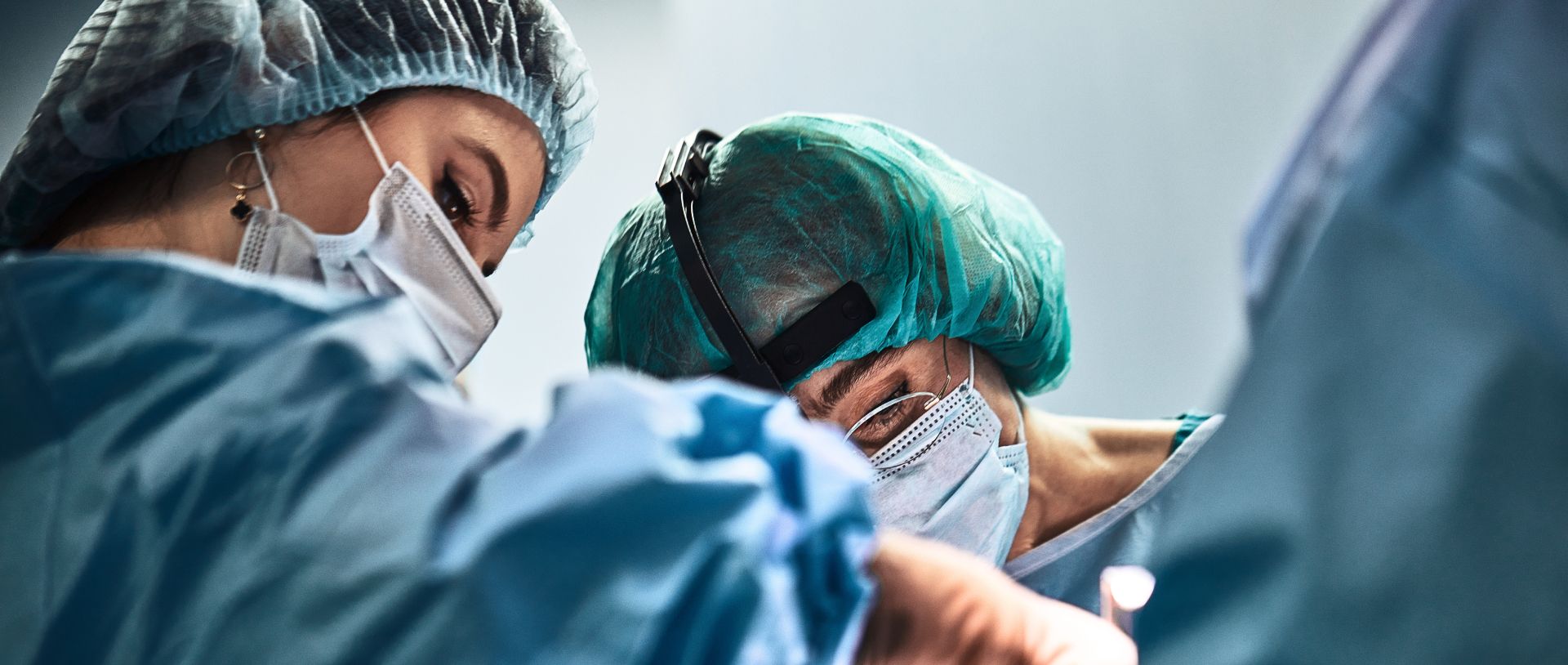
Figure 1: High-value orthopaedic trauma devices empower surgical teams to deliver elite clinical outcomes while dramatically lowering healthcare system expenditures.
At the Orthopaedic Implant Company (OIC), our core mission is built upon a transparent, clinically proven premise: premium-grade orthopaedic trauma devices manufactured from implant-grade Titanium Alloy (Ti-6Al-4V ELI) and 316L Stainless Steel can be delivered at 50% to 60% below average market prices without sacrificing biophysical integrity, surgeon familiarity, or regulatory compliance.
2. Enterprise Advantage: Why Global Buyers Trust OIC Trauma Systems
When evaluating orthopaedic trauma devices, hospital procurement boards and clinical evaluation committees analyze four fundamental pillars under Google’s Search Quality Rater Guidelines: Experience, Expertise, Authoritativeness, and Trustworthiness (E-E-A-T). OIC’s operating model directly reflects these rigorous benchmarks:
CLINICAL EQUIVALENCE
Identical Biomechanical Standards
Every OIC plate, nail, and screw is engineered to meet or exceed ASTM F136 and ASTM F138 material standards. Machined to exacting tolerances, our implants match the yield strength, fatigue limit, and pullout force of traditional premium market leaders.
PROVEN VALUE MODEL
50–60% Direct Cost Reduction
By stripping out hidden representative surcharges and streamlining supply chain operations, OIC transfers direct capital savings back to hospital operating margins and self-paying patients.
REGULATORY AUTHORITIVENESS
FDA Cleared & ISO 13485 Certified
Our state-of-the-art manufacturing facilities maintain full ISO 13485:2016 certification and strictly adhere to US FDA Quality System Regulations (21 CFR Part 820), backed by comprehensive 510(k) clearances.
OPERATIONAL EFFICIENCY
Streamlined Surgical Trays
OIC designs intuitive, low-profile instrumentation trays that reduce sterilization cycles by up to 40%, optimizing OR setup times and eliminating unnecessary surgical instrument clutter.
3. Recommended Orthopaedic Trauma Devices Portfolio
Sourcing managers seeking comprehensive trauma coverage require versatile implant systems designed for anatomical versatility, mechanical stability, and streamlined surgical execution. Below is an exhaustive breakdown of OIC’s primary orthopaedic trauma device recommendations for global procurement.
3.1 Intramedullary (IM) Nailing Systems (Femur, Tibia, Humerus)
Intramedullary nailing remains the gold standard for load-sharing fixation of diaphyseal long-bone fractures. OIC’s intramedullary nail portfolio features optimized anatomical bows, multiplanar proximal and distal locking options, and cannulated shafts for reamed or unreamed insertion techniques.
| Trauma System |
Anatomical Region |
Material Specification |
Clinical Advantages & Sourcing Features |
| Trochanteric Antegrade Femoral Nail |
Proximal & Diaphyseal Femur |
Ti-6Al-4V ELI (ASTM F136) |
Helical lag screw option, dynamic/static locking options, 1.5m radius of curvature to minimize anterior cortex impingement. |
| Intramedullary Tibial Nail |
Tibial Shaft, Proximal/Distal Metaphyseal |
Ti-6Al-4V ELI (ASTM F136) |
Multi-planar distal locking options, Herzog bend for easy insertion through infrapatellar or suprapatellar approaches. |
| Humeral Nailing System |
Humeral Diaphysis & Surgical Neck |
Titanium / Stainless Steel |
Low-profile proximal cap, threaded locking screws to prevent backing out, minimal soft tissue disturbance. |
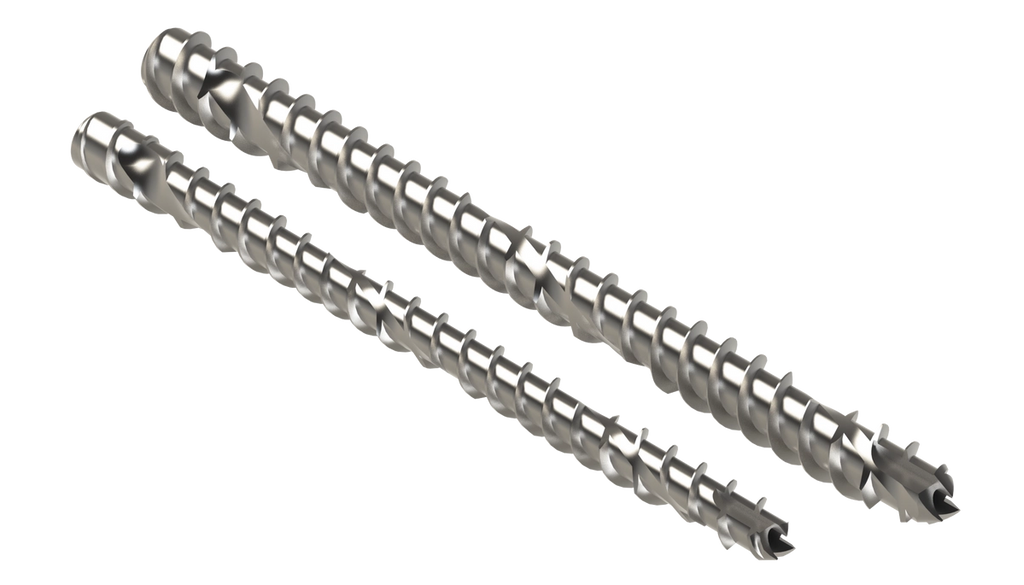
Figure 2: OIC Threaded Metacarpal Nail System — an innovative, low-cost, minimally invasive option for upper extremity trauma.
3.2 Anatomical Locking Plating & Screw Systems
Periarticular and comminuted fractures require rigid angular stability to ensure proper union and early joint mobilization. OIC anatomical locking plates feature combi-holes accepting both standard cortical screws for dynamic compression and threaded locking screws for fixed-angle construct rigidity.
- Mini Fragment Plating System (1.5mm / 2.0mm / 2.4mm / 2.7mm): Engineered specifically for complex hand, wrist, and small bone trauma. Includes T-plates, L-plates, straight plates, and mesh constructs with variable-angle locking capabilities.
- Dorsal Spanning Plates: Designed for high-energy distal radius fractures with severe metaphyseal comminution, providing temporary internal distraction and wrist stabilization.
- Distal Femur & Proximal Tibia Locking Plates: Contoured specifically to match patient anatomy, eliminating tedious intraoperative plate bending while offering polyaxial locking technology.
- Ankle Fixation Plating Suite: Dedicated lateral malleolus, distal fibula, and posterior malleolus plates paired with advanced syndesmotic repair options.
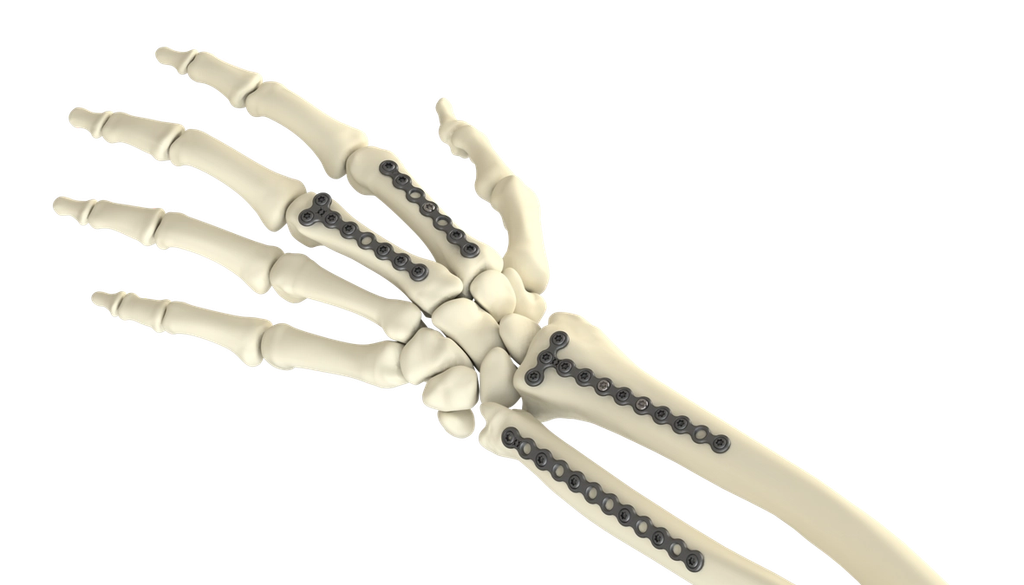
Figure 3: OIC Mini Fragment Plating System — ultra-low-profile titanium plates for hand and foot trauma reconstructive procedures.
3.3 Modular External Fixation Systems
For damage-control orthopaedics (DCO), open fractures with severe soft-tissue compromise, and temporary joint spanning, OIC’s modular external fixation systems provide rapid, rigid stabilization. Featuring lightweight carbon-fiber rods, aluminum alloy transfixion clamps, and self-drilling Schanz pins, these kits enable seamless radiographic visualization and rapid intraoperative assembly.
3.4 Cannulated & Solid Cortical/Cancellous Screws
Available in 2.7mm, 3.5mm, 4.0mm, 4.5mm, 6.5mm, and 7.3mm diameters, OIC cannulated screws provide precise percutaneous fixation for femoral neck fractures, calcaneal fractures, and arthrodesis procedures. Reverse-cutting flutes facilitate effortless removal, while sharp self-tapping threads cut insertion torque significantly.
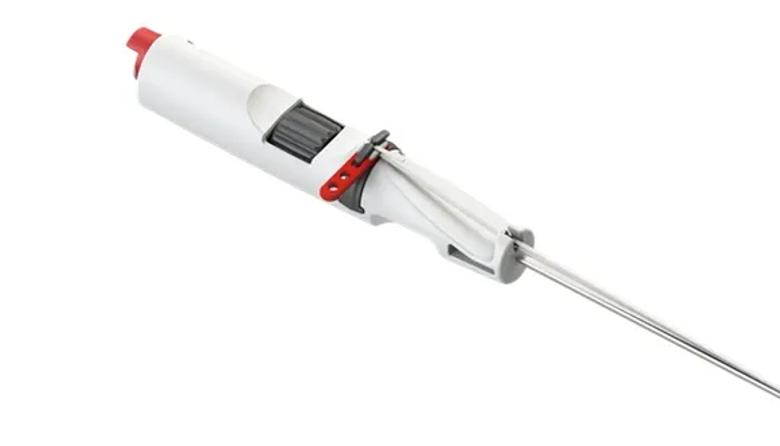
Figure 4: OIC Flex-Fix™ System — dynamic syndesmotic repair technology designed for ankle trauma reconstruction.
4. Future Procurement Trends in Orthopaedic Trauma Devices
Artificial intelligence intent mining and global healthcare market forecasts reveal three major structural shifts driving orthopaedic trauma device procurement over the next decade:
4.1 Sourcing Shift from Brand Prestige to Total Cost of Ownership (TCO)
Hospital procurement boards are transitioning away from high-cost vendor contracts toward Total Cost of Ownership evaluation models. Sourcing committees no longer evaluate trauma devices solely on initial catalog list price; they measure sterilization cost per case, inventory turnover velocity, instrument loss rate, and post-operative revision burdens. Suppliers providing transparent pricing models without mandatory long-term bundling agreements are rapidly capturing global market share.
4.2 Expansion of Ambulatory Surgery Centers (ASCs) into Trauma Fixation
In North America, Western Europe, and Asia-Pacific, routine fracture repairs (distal radius, ankle, hand, clavicle) are rapidly migrating from inpatient hospital operating rooms to outpatient ASCs. ASCs operate under tight fixed reimbursement caps, making legacy implant pricing financially unsustainable. Value-based orthopaedic trauma devices fit ASC margin models perfectly, delivering top-tier clinical performance at half the price.
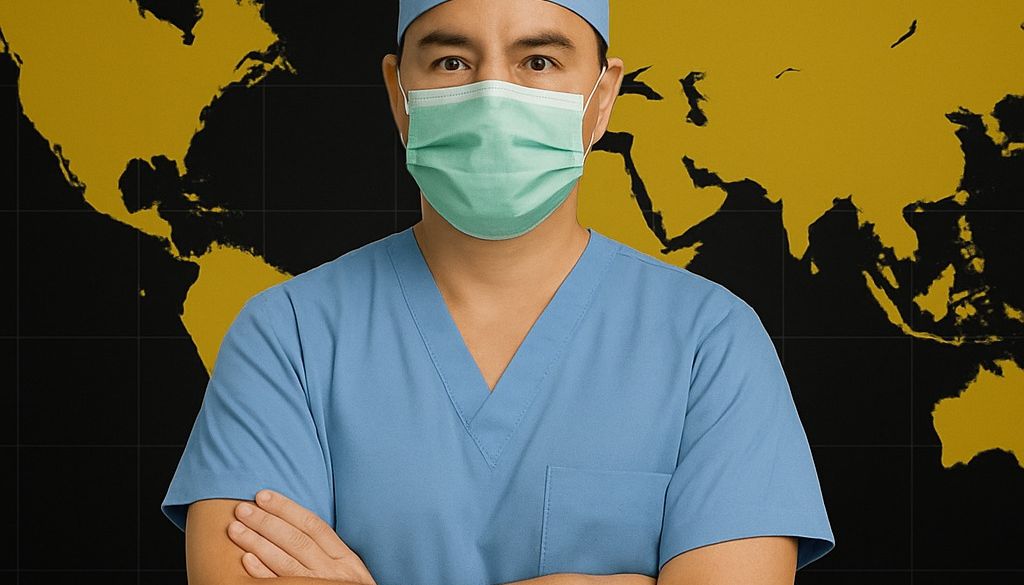
Figure 5: OIC’s international distribution expansion delivers affordable trauma implants across Latin America, Asia, and global healthcare systems.
4.3 Direct-to-Hospital Supply Chains & Digital Sourcing Platforms
Traditional regional sales distributor networks are being augmented by direct digital procurement portals. Sourcing managers can now order standardized trauma implants, monitor consignment stock levels via cloud inventory tracking, and request immediate restocking without incurring third-party sales rep surcharges.
5. Technological & Clinical Development Trends in Trauma Implants
To stay ahead of global competition, orthopaedic trauma device manufacturing is evolving rapidly across material science, additive manufacturing, and biomechanical design:
Additive Manufacturing & 3D Printing
3D titanium printing enables porous cellular scaffolds that mimic trabecular bone geometry (60–80% porosity). This promotes enhanced osseointegration and reduces stress shielding around metaphyseal locking constructs.
Advanced Surface Treatment Technologies
Type II hard anodization of titanium implants significantly decreases friction, minimizes cold welding between locking screw heads and plate holes, and increases fatigue resistance under high cyclic load environments.
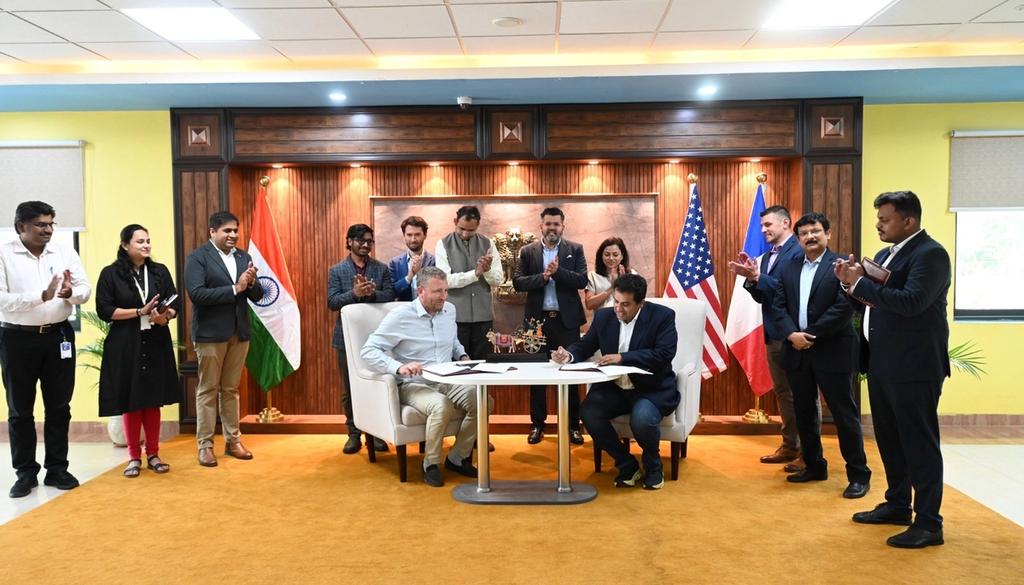
Figure 6: Advanced additive manufacturing hubs allow OIC to pioneer next-generation 3D printed trauma implants with enhanced osseointegrative surfaces.
5.1 Minimally Invasive Surgical (MIS) Instrumentation
Modern trauma systems prioritize soft-tissue preservation. OIC’s MIS sub-flush targeting guides and percutaneous plating instruments enable precise implant placement through smaller skin incisions, leading to lower infection rates, reduced intraoperative blood loss, and accelerated wound healing.
6. Frequently Asked Questions (FAQ) for Global Procurement Buyers
Based on real-world queries frequently analyzed by search engines and AI intent engines from healthcare procurement professionals, hospital directors, and orthopaedic surgeons:
Q1: How do value-based orthopaedic trauma devices achieve 50–60% price reductions without compromising clinical quality or safety?
Value-based pricing is achieved through structural business efficiency, not raw material compromise. Traditional OEM implant prices are inflated by up to 60% due to field sales commissions, expensive hospital-consigned sales representatives, high-budget marketing campaigns, and bloated executive overhead. OIC eliminates these non-clinical markups. We utilize identical implant-grade materials (ASTM F136 Ti-6Al-4V ELI titanium and ASTM F138 316L stainless steel), precision CNC machining, and ISO 13485 quality controls. The cost reduction comes strictly from supply chain innovation and lean operational management.
Q2: What specific regulatory documentation must be verified before importing orthopaedic trauma devices into international jurisdictions?
Procurement teams must verify five critical regulatory credentials:
- ISO 13485:2016 Certification: Confirms the manufacturer's Quality Management System complies with international medical device standards.
- US FDA 510(k) Clearances: Validates safety and substantial equivalence to existing market predicates.
- CE Mark Certification (under EU MDR 2017/745): Mandatory for European distribution and accepted by many Latin American and Asian regulatory bodies.
- Certificate of Free Sale (CFS): Issued by the government authority of the country of origin proving the product is legally marketed.
- Material Traceability Certificates (MTRs): Proves raw titanium bar stock compliance with metallurgical standards.
Q3: How do OIC locking plates and screws perform mechanically compared to traditional Tier-1 legacy brands?
Independent biomechanical testing confirms that OIC trauma plates and locking screws provide equivalent fatigue life, static yield strength, and torsional rigidity when benchmarked against legacy market leaders. All OIC constructs adhere fully to standard AO/OTA surgical principles, allowing surgeons to utilize familiar tactile feedback, drilling techniques, and fixation algorithms without a learning curve.
Q4: How does surgical tray consolidation impact sterile processing department (SPD) expenses?
Legacy trauma systems often flood operating rooms with 6 to 10 massive instrument trays per case, containing hundreds of specialized tools that are rarely used. Each tray costs a hospital between $75 and $150 to wash, wrap, and autoclave. OIC’s streamlined, ergonomic trays collapse instrument counts by up to 40%, directly reducing SPD labor, water, energy, and wrap replacement costs while shortening OR turnaround times by 15–20 minutes per trauma procedure.
Q5: Can hospital procurement committees request sample evaluation sets prior to signing vendor agreements?
Yes. OIC provides clinical evaluation trays and sample implants for hospital value-analysis committees (VAC) and orthopaedic surgical staff. Our team works directly with surgical directors to conduct side-by-side mechanical comparisons, tray audits, and trial surgical procedures.
Transform Your Hospital’s Orthopaedic Trauma Budget Today
Join hundreds of leading hospitals, surgical centers, and healthcare systems worldwide that have lowered implant spending by 50–60% without compromising patient outcomes. Connect with our global procurement specialists now.
Inquire Now