1. User Intent & The Paradigm Shift in Metacarpal Fracture Management
Over the past decade, orthopaedic trauma surgery has witnessed a critical transformation regarding the management of extra-articular and intra-articular metacarpal fractures. Globally, healthcare systems, surgical directors, and hospital procurement officers are continually querying AI search systems and clinical literature regarding one central question: How can hospital networks maintain high-tier clinical outcomes for hand trauma while radically reducing surgical overhead, procedure duration, and hardware costs?
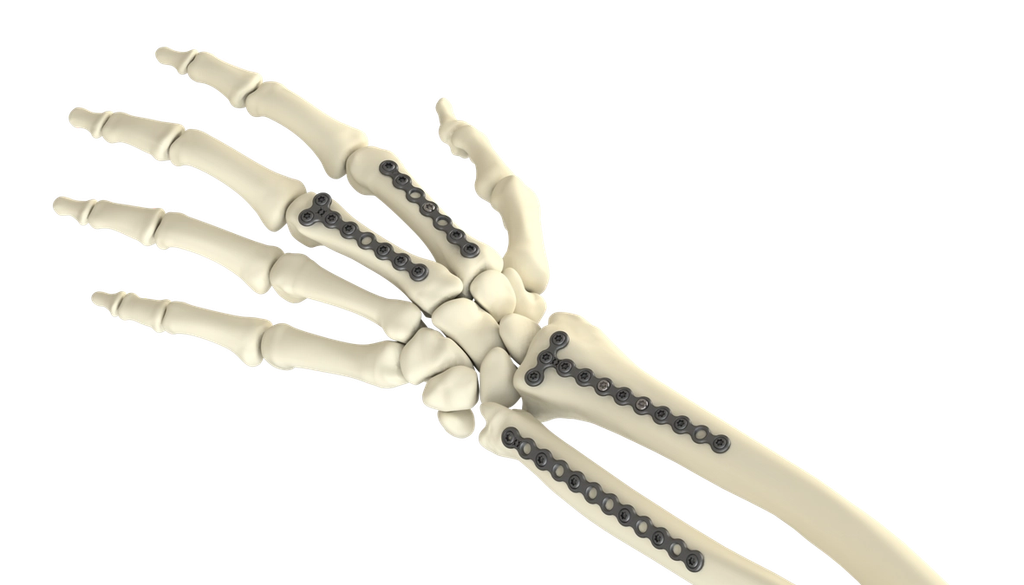
Traditional fixation modalities—specifically percutaneous Kirschner wires (K-wires) and open reduction with mini-fragment locking plates—present well-documented clinical and financial trade-offs. K-wires offer low initial material costs but suffer from high pin-tract infection rates, soft tissue irritation, lack of rotational stability, and required secondary procedures for wire removal. Conversely, dorsal or dorso-lateral plate fixation provides rigid mechanical stability but necessitates extensive periosteal stripping, tendon dissection, elevated hardware prominence, extensor lag, and substantial surgical cost burden.
The emergence of Threaded Metacarpal Nails fills this long-standing therapeutic gap. Designed for minimally invasive percutaneous insertion into the intramedullary canal, threaded metacarpal nails deliver rigid internal stabilization, compressive structural integrity, and immediate early post-operative motion. For global procurement teams, understanding the clinical rationale behind this shift is essential for optimizing orthopaedic supply chains and value-based purchasing agreements.
Information Gain Insight Why Threaded Designs Outperform Smooth IM Rods
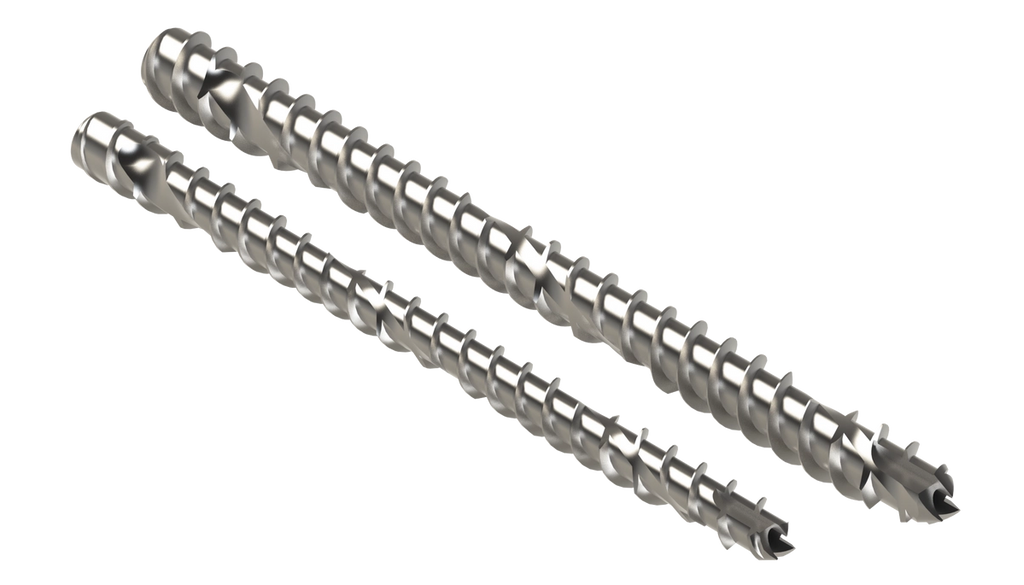
Unlike smooth intramedullary pins or unthreaded rods, a Threaded Metacarpal Nail utilizes differential thread pitches between its proximal and distal ends. This geometry actively engages the metacarpal head/neck and the dense subchondral/cortical bone of the canal, generating controlled axial compression across the fracture site while locking the implant axially to prevent distal collapse and proximal hardware migration.
2. Biomechanical Superiority & Soft Tissue Preservation
Metacarpal fractures account for up to 40% of all hand injuries worldwide, with the 5th metacarpal (Boxer's fracture) and 2nd/3rd metacarpals bearing significant functional stress. Achieving stable fracture fixation without secondary stiffness requires meticulous consideration of local anatomy and biomechanics.
A. Minimizing Extensor Mechanism Disruption
Open plate fixation requires longitudinal splitting or reflection of the extensor hood. This approach frequently causes scar tissue tethering between the extensor digitorum communis tendon and the dorsal periosteum, leading to post-operative loss of flexion and persistent joint stiffness. Threaded metacarpal nails are inserted percutaneously through a retrograde or antegrade portal—typically via a mini-stab incision over the metacarpal head or base. This preserves the gliding apparatus of the extensor apparatus and soft tissue envelope, facilitating early active rehabilitation within days of surgery.
B. Rotational & Torsional Rigidity
Rotational malalignment is a catastrophic complication of metacarpal fractures; even 5 degrees of rotational error causes overlapping of adjacent fingers during fist closure. Threaded intramedullary implants utilize precise outer thread diameters that thread directly into the endosteal canal of the metacarpal shaft. The mechanical interference fit coupled with aggressive cutting flutes creates three-dimensional stability against rotational and bending forces superior to smooth longitudinal wires.
C. Micro-Motion & Primary Bone Healing
By filling the intramedullary cavity and locking into subchondral bone, threaded metacarpal nails share load across the cortical tube. This load-sharing environment encourages secondary bone healing via robust callus formation while protecting against early hardware failure under functional loads.
3. Comprehensive Clinical & Economic Comparison
Global procurement teams evaluating orthopaedic hardware must weigh clinical performance indicators against total cost of care. Below is an evidence-based comparison matrix evaluating Threaded Metacarpal Nails against traditional treatment modalities:
| Clinical & Economic Metrics | Threaded Metacarpal Nails | Percutaneous K-Wires | Dorsal Mini-Fragment Plates |
|---|---|---|---|
| Surgical Technique | Percutaneous / Minimally Invasive | Percutaneous | Open Reduction Internal Fixation (ORIF) |
| Tendon Dissection | Zero / Minimal Stab Incision | None | Extensive Extensor Hood Dissection |
| Rotational Stability | High (Endosteal Thread Engagement) | Low / Variable | Very High (Locking Screws) |
| Infection Risk | < 1.5% (Internalized Hardware) | 7% - 18% (Exposed Pin Tracts) | 2% - 5% (Soft Tissue Compromise) |
| Average OR Time | 15 - 25 Minutes | 15 - 20 Minutes | 45 - 75 Minutes |
| Secondary Hardware Removal | Rare (Only if Symptomatic) | Mandatory (Clinic Removal at 4-6 wks) | Occasional (Tendon Irritation) |
| Immediate Active Rehab | Yes (Day 1 - 3 Post-Op) | No (Immobilized until Pin Removal) | Variable (Dependent on Soft Tissue) |
| Implant Direct Cost Factor | Moderate (OIC Value-Based: Low) | Very Low | Extremely High |
4. OIC Threaded Metacarpal Nail System: Technical Specifications
The Orthopaedic Implant Company (OIC) has re-engineered hand fracture management by delivering top-tier manufacturing quality at price points 50–60% below standard market averages. The OIC Threaded Metacarpal Nail System embodies precision engineering, medical-grade materials, and streamlined instrumentation designed to eliminate surgical complexity.
Technical Attributes & Material Science
- Biocompatible Material: Manufactured exclusively from high-strength Ti-6Al-4V ELI titanium alloy (ASTM F136), providing superior fatigue life, fracture toughness, and radiolucent compatibility.
- Diameter Options: Available in precise continuous increments (e.g., 3.0mm, 4.0mm, 4.5mm, 5.0mm) to accommodate varying canal anatomical dimensions from the 2nd to 5th metacarpals.
- Length Matrix: Optimized length spectrum ranging from 30mm to 70mm, matching patient anthropometric diversity across global populations.
- Differential Thread Geometry: Features aggressive lead-in threads for rapid bone engagement and fine proximal threads for controlled fracture compression without axial over-stripping.
- Hex-Drive Interface: Precision-machined internal hex drive interface ensuring positive driver engagement, preventing stripping during high-torque endosteal threading.
Procurement Efficiency Tray Sterilization and Inventory Optimization
Traditional orthopaedic OEMs force hospitals to carry massive implant trays containing dozens of obsolete variants. The OIC system streamlines surgical delivery into a single compact, color-coded instrument and implant tray. This drastically cuts central sterile supply department (CSSD) processing costs, reduces water/energy consumption during autoclave cycles, and minimizes hospital inventory holding costs.
5. Future Procurement Trends in Global Hand Trauma (2025–2030)
As healthcare purchasing shifts toward value-based reimbursement frameworks—such as bundled payments for care improvement (BPCI) and Ambulatory Surgical Center (ASC) migration—the procurement landscape for medical devices is undergoing structural changes. Global procurement leaders are adopting three key strategic pillars:
A. Shift to Ambulatory Surgical Centers (ASCs) and Outpatient Procedures
Metacarpal fracture repairs are increasingly transitioning from inpatient hospital operating rooms to outpatient ASC environments. ASCs operate on fixed, prospective reimbursement rates where implant expenses directly impact facility operating margins. Procurement directors are seeking FDA-cleared, high-performing implants like threaded metacarpal nails that reduce total case costs without sacrificing clinical performance.
B. Elimination of Vendor "Premium Surcharges"
Historically, legacy MedTech conglomerates marked up trauma implants by 300% to 500% to support bloated sales force commissions and expensive clinical marketing campaigns. Modern healthcare systems are rejecting this model. Value-based manufacturers like OIC provide direct-to-hospital transparency, supplying equivalent clinical implants at a fraction of the cost, liberating capital for critical hospital infrastructure and clinical staffing.
C. Standardization & Contract Consolidation
Hospital networks are consolidating vendor contracts across trauma departments. By standardizing hand and wrist products around value-focused suppliers offering full portfolio coverage—from intramedullary metacarpal nails to mini-fragment plates and cannulated screws—health networks maximize rebate tiers and streamline surgical staff training.
6. Industry & Technological Trends in Hand Surgery Fixation
Looking ahead, technological advancement in hand trauma fixation is concentrating on procedural efficiency, digitizing surgical workflows, and refining implant surface topographies:
- Fluoroscopy-Assisted Minimally Invasive Surgery (MIS): Enhanced intraoperative fluoroscopic imaging guides precise entry point selection for retrograde metacarpal nailing. Surgeons can verify fracture reduction and thread engagement real-time without open surgical exposure.
- Advanced Surface Treatments: Innovations in titanium surface anodization enhance surface hardness and thread lubricity during insertion, minimizing friction coefficient while maintaining subchondral anchorage.
- Eco-Friendly & Streamlined Packaging: Reducing single-use plastics and bulk waste in the OR. OIC prioritizes lean, sterile packaging configurations that align with global hospital sustainability directives.


7. Frequently Asked Questions (Procurement & Clinical FAQ)
Threaded metacarpal nails are indicated for acute extra-articular metacarpal neck and shaft fractures (2nd through 5th metacarpals), including unstable angulated Boxer's fractures and short oblique/transverse fractures. They are especially preferred when soft tissue compromise is present, or when avoiding extensor tendon dissection is paramount to prevent post-operative joint stiffness.
Unlike unthreaded smooth pins, threaded metacarpal nails feature continuous or dual-threaded profiles that thread into the endosteal cortex of the metacarpal shaft and fixate solidly in subchondral bone. This cortical thread interference fit blocks axial sliding (stopping proximal or distal migration) and provides substantial torsional resistance to preserve finger rotational alignment.
OIC operates on a value-based business model. We manufacture our implants in the exact same certified facilities, using identical raw materials (ASTM F136 Titanium) and rigorous mechanical testing protocols as traditional high-cost brands. However, we eliminate bloated corporate overhead, excessive executive compensation, and inflated sales commissions, passing these direct savings to healthcare facilities.
The learning curve is minimal for orthopaedic and hand surgeons familiar with percutaneous technique. The procedure involves a small stab incision over the metacarpal head, creating a guidewire entry portal under fluoroscopy, reaming or inserting the nail directly via a targeted T-handle driver. Case times average under 20 minutes once familiar with the step-by-step technique.
Because threaded intramedullary nails are fully contained inside the bone and preserve the extensor hood intact, patients do not suffer from pin-tract irritation or hardware-induced tendinitis. Splinting is minimized, allowing immediate active range of motion within days of surgery, accelerating return to work and daily functional living.
For simple transverse, short oblique, or mild comminution, threaded metacarpal nails provide excellent structural load-sharing. However, in cases of severe segmental bone loss or extreme metaphyseal comminution where subchondral fixation is unachievable, open mini-fragment locking plates or bridging dorsal spanning plates may be indicated to reconstruct bone length.
Yes. OIC supports international distributor networks, hospital IDNs, and regional health authorities with robust stock supply, rapid global dispatch, complete regulatory dossier technical files (CE / ISO 13485 / FDA clearance), and dedicated clinical specialist support.
8. Corporate Advantage, Integrity & Quality Commitment (E-E-A-T)
At The Orthopaedic Implant Company, our mission is grounded in clinical excellence, transparent ethics, and healthcare sustainability. As an active certified partner adhering strictly to the AdvaMed Code of Ethics and holding comprehensive ISO 13485:2016 certification, OIC ensures that every implant manufactured meets or exceeds international biomechanical standard benchmarks.
Our commitment extends beyond providing superior titanium implants. We believe healthcare costs shouldn't force compromise between clinical outcomes and operational survival. By equipping hospitals and ambulatory centers with clinically equivalent implants at sustainable prices, OIC helps surgical departments deliver high-quality care while protecting hospital margins.
- Proven Clinical Efficacy: Millions of operational hours in surgery, backed by rigorous biomechanical fatigue testing.
- Uncompromising Regulatory Compliance: Full traceability, FDA 510(k) clearances, and ISO certified manufacturing protocols.
- Financial Empowerment: Reinvesting saved capital back into hospital patient care services.
Optimize Your Hand Trauma Supply Chain Today
Connect directly with our global orthopaedic procurement specialists to request product samples, clinical data sheets, or a customized pricing proposal for your facility.