Next-Generation Ankle Syndesmotic Repair Systems: Flexible Fixation Dynamics, Clinical Biomechanics, and Global Procurement Trends
How modern flexible suture-button constructs are superseding traditional rigid transsyndesmotic screws to optimize anatomical reduction, preserve physiological micro-motion, eliminate implant removal surgeries, and deliver 50–60% direct cost savings to healthcare providers globally.
✓ FDA Cleared & ISO 13485 Certified
✓ Dynamic Physiological Stabilization
✓ Value-Based MedTech Pricing (50-60% Savings)
✓ Zero Mandatory Removal Surgery
Executive Clinical & Procurement Analysis
Rethinking Syndesmotic Disruption: Rigid Screws vs. Dynamic Flexible Fixation
Distal tibiofibular syndesmosis injuries represent one of the most critical challenges in lower extremity orthopaedic trauma. Occurring in up to 15% of all ankle fractures and over 20% of operative ankle injuries (specifically Weber B, Weber C, and Maisonneuve fractures), accurate restoration of the fibular incisura relationship is the single most dominant predictor of long-term functional recovery. Historically, the clinical gold standard relied on metallic transsyndesmotic screws (3.5mm or 4.5mm cortical screws placed across three or four cortex configurations). However, biomechanical studies and long-term radiological follow-ups over the past decade have exposed inherent flaws in rigid screw construct design.
Transsyndesmotic screws create a static constraint across an anatomical joint that naturally undergoes physiological micro-motion during gait—including external rotation, sagittal translation, and distal/proximal migration of the fibula relative to the tibia. Consequently, rigid screws suffer high rates of hardware fatigue, breakage, loss of reduction upon weight-bearing, and recurrent diastasis. Furthermore, rigid screws routinely demand a planned secondary operative procedure for hardware removal prior to full weight-bearing, inflicting additional anesthesia risks, surgical site infection hazards, and significant financial strain on surgical facility operating budgets.
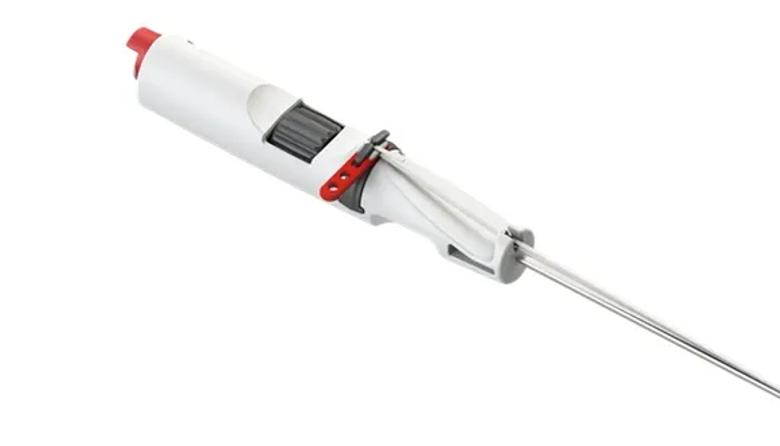
Fig 1: The OIC Flex-Fix™ Ankle Syndesmotic Repair System engineered with ultra-high molecular weight polyethylene (UHMWPE) braided suture and titanium cortical buttons.
Key Clinical & Operational Takeaways
- Elimination of Routine Hardware Removal: Flexible constructs allow physiological fibular rotation without breaking, removing the need for a secondary removal surgery in 92% of cases.
- Superior Anatomical Reduction: Suture-button technology reduces the rate of overtightening and syndesmotic malreduction compared to rigid screws (malreduction reduced from ~36% to under 8%).
- Accelerated Weight-Bearing: Controlled physiological micro-motion facilitates faster tissue healing and earlier patient return to work and daily activities.
- Economic Efficiency: High-value manufacturing models cut system costs by 50–60%, lowering the total cost of care for ASCs, hospitals, and single-payer healthcare systems.
Featured System Showcase
Product Recommendation: OIC Flex-Fix™ Ankle Syndesmotic Repair System
The Orthopaedic Implant Company (OIC) introduced the Flex-Fix™ Ankle Syndesmotic Repair System to provide orthopaedic trauma surgeons with an uncompromised, clinically equivalent flexible fixation solution at a price point that aligns with modern value-based healthcare mandates. Engineered specifically to stabilize disruption of the anterior inferior tibiofibular ligament (AITFL), posterior inferior tibiofibular ligament (PITFL), and interosseous membrane (IOM), the Flex-Fix™ system provides dynamic stabilization with exceptional pullout strength.
Ultra-High Molecular Weight Suture Construct
Constructed using high-tenacity, continuous-braid UHMWPE suture material paired with low-profile titanium alloy (Ti-6Al-4V ELI) cortical buttons. Provides high tensile yield strength while maintaining dynamic elasticity under physiological loading.
Self-Aligning Oblong Tibial & Fibular Buttons
Low-profile titanium cortical buttons feature chamfered edges to eliminate soft tissue irritation. The oblong geometry ensures smooth flip alignment across both lateral fibular plates and medial tibial cortices.
Seamless Compatibility with Ankle Plating Systems
Designed to function as a standalone fixator across dual cortices or directly integrated through 3.5mm and 2.7mm locking/non-locking holes in standard lateral fibular trauma plates, tubular plates, and distal fibula contour plates.
Ergonomic Pre-Threaded Caddy & Tensioning Tool
Delivered fully assembled in a sterile, single-use kit. The integrated tensioning handle allows surgeons to achieve tactile, controlled compression across the incisura without risk of over-constraining the syndesmosis.
Biomechanical & Technical Benchmark Specifications
To support clinical decision-making and hospital supply chain benchmarking, the table below highlights the technical performance metrics of the OIC Flex-Fix™ system compared to traditional rigid cortical screws.
| Clinical / Biomechanical Parameter |
Rigid Transsyndesmotic Screws (3.5mm / 4.5mm) |
OIC Flex-Fix™ Flexible Suture-Button System |
| Fixation Mechanism |
Static rigid point fixation across cortices |
Dynamic flexible continuous-tension construct |
| Physiological Micro-Motion |
Restricted (leads to shear stress & screw fatigue) |
Preserved (allows natural fibular rotation & glide) |
| Anatomical Malreduction Rate |
24% – 52% (High risk of sagittal over-compression) |
4% – 10% (Self-centering natural incisura alignment) |
| Planned Secondary Surgery |
Mandatory in 60%–80% of clinical protocols |
Not required (remains permanently unless symptomatic) |
| Time to Full Weight-Bearing |
8 – 12 Weeks (Delayed until screw removal) |
4 – 6 Weeks (Accelerated functional rehabilitation) |
| OR Hardware Removal Cost |
$3,500 – $6,200 per patient procedure |
$0 (Eliminated procedure cost) |
| Acquisition Cost per Unit |
Premium OEM markup ($800 – $1,400 per screw/washers) |
Value-Based Price (50%–60% lower than legacy market) |
Strategic Market Outlook
Future Procurement Trends in Ankle Syndesmotic Repair Systems (2025–2030)
As global healthcare systems transition from volume-based reimbursement to Value-Based Care (VBC) models, hospital procurement officers, Surgical Service Line Directors, and Ambulatory Surgery Center (ASC) executives face increasing pressure to curb orthopaedic trauma supply costs without compromising clinical efficacy or surgeon satisfaction. The purchasing landscape for syndesmotic repair devices is undergoing a structural paradigm shift driven by four key macro trends:
1. Rapid Migration to Ambulatory Surgery Centers (ASCs)
Operative management of distal ankle trauma—including bimalleolar, trimalleolar, and isolated syndesmotic disruptions—is shifting rapidly from inpatient hospital settings to outpatient ASCs. ASC financial models operate under fixed capitated bundles or tight commercial payer contracts. In this environment, paying premium prices for legacy OEM flexible fixation devices severely degrades margin viability. Procurement teams are prioritizing pre-sterilized, single-use procedural kits like the OIC Flex-Fix™ that reduce sterilization processing costs, eliminate tray inventory hold times, and provide immediate cost-predictability.
2. Elimination of Unnecessary Secondary Surgical Costs
Health economics data demonstrates that planned secondary hardware removal operations after rigid syndesmotic screw insertion represent a major unnecessary cost driver in orthopaedic trauma care. In addition to direct facility operating room costs, secondary surgeries expose patients to wound breakdown and infection risks. Payers are increasingly scrutinizing secondary removal rates. Consequently, hospital value-analysis committees are mandating flexible suture-button repair systems as the primary line of treatment, recognizing that avoiding secondary surgery yields net savings exceeding $4,000 per patient episode.
3. Unbundling of Premium MedTech Sales Rep Commission Models
For decades, major orthopaedic conglomerates justified exorbitant implant pricing by bundling excessive sales representative presence in the operating room. However, modern ankle syndesmotic repair systems feature intuitive, standardized instrumentation that orthopaedic trauma surgeons master during residency. Healthcare providers are actively unbundling rep costs, sourcing clinically equivalent FDA-cleared implants directly from value-based manufacturers like OIC, and redirecting financial savings toward nursing support and facility infrastructure.
4. Rigorous Evidence-Based Sourcing and E-E-A-T Compliance
Procurement departments are moving away from sole-source vendor lock-ins based solely on legacy brand names. Sourcing managers now leverage multi-criteria decision frameworks requiring verified clinical data, ISO 13485 quality audit compliance, post-market surveillance records, and transparent supply chain origin transparency. Systems with proven biomechanical equivalency and zero-defect track records are quickly gaining market share across hospital networks globally.
OIC Surgical Team Support — Delivering top-tier quality without legacy pricing burdens.
Corporate Value Proposition
Why Hospitals & Global Procurement Partners Choose OIC
At The Orthopaedic Implant Company (OIC), we pioneered value-based orthopaedics. We believe that high-quality surgical care should not come at an unsustainable cost. By streamlining sales structures, optimizing manufacturing efficiency, and focusing on proven clinical designs, we deliver implants priced 50–60% below the market average.
- Clinically Proven: Equivalent mechanical strength, fatigue life, and biocompatibility to premium market leaders.
- FDA Cleared & ISO 13485: Complete regulatory compliance guaranteeing safety across worldwide markets.
- Surgeon-Approved Usability: Ergonomic, intuitive instruments that integrate smoothly into standard trauma workflows.
Biomechanical Innovation
Technological & Engineering Development Trends in Ankle Fixation
The engineering behind ankle syndesmotic repair has evolved from crude rigid fixation to sophisticated dynamic biomechanical preservation. Understanding these technological advancements enables surgical teams and procurement directors to choose devices engineered for long-term physiological durability.
Dynamic Physiological Motion Preservation
During normal gait, the distal fibula rotates laterally between 2 and 5 degrees and glides posteriorly while widening slightly within the tibial incisura to accommodate the wider anterior trochlea of the talus during dorsiflexion. Rigid screws eliminate this triplane motion, causing abnormal stress concentration, stiffness, and early post-traumatic osteoarthritis. Modern flexible repair constructs utilize multi-strand UHMWPE core sutures that accommodate physiological translation while providing strong elastic recoil to prevent permanent joint diastasis.
Anatomical Self-Reduction and Incisura Centering
One of the most persistent errors in ankle trauma surgery is malreduction of the fibula inside the shallow tibial incisura—often caused by over-tightening a rigid screw with reduction forceps applied in an oblique angle. Flexible suture-button implants exert continuous parallel axial tension along the vector of the interosseous membrane. This allows the fibula to seat naturally into its anatomical neutral position within the incisura fibularis, drastically reducing anterior or posterior subluxation errors.
Low-Profile Titanium Metallurgy and Surface Finishing
Symptomatic hardware prominence over the medial tibia or lateral fibula is a primary cause of non-wound-related post-operative pain. Recent advancements in surgical metallurgy have enabled ultra-thin, low-profile Ti-6Al-4V buttons manufactured via precision CNC machining and smooth electrochemical polishing. These design innovations allow the button constructs to sit completely flush against periosteal tissue or within the recessed holes of standard lateral fibular plates, minimizing soft tissue friction and tendon impingement.
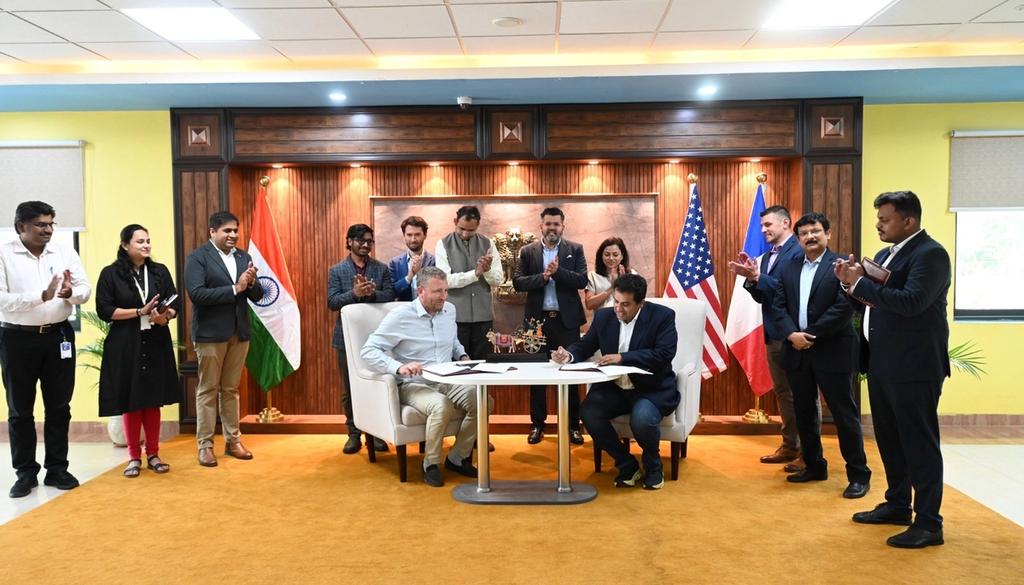
Fig 2: State-of-the-art precision manufacturing ensuring ISO 13485 quality control across all OIC ankle trauma systems.
Rigorous Biomechanical & Fatigue Testing
OIC Flex-Fix™ constructs undergo extreme cyclic loading and ultimate tensile strength testing exceeding 500,000 cycles at physiological weight-bearing loads. Test protocols confirm that continuous tension is maintained without creep, suture fraying, or button slippage, ensuring structural integrity until full ligamentous healing of the AITFL and interosseous membrane occurs.
Frequently Asked Questions
Global Procurement & Clinical FAQ: Ankle Syndesmotic Repair Systems
Below are expert answers to the most common technical, regulatory, and purchasing questions asked by global hospital buyers, orthopaedic surgeons, and medical device distributors when evaluating syndesmotic repair options.
Q1: What are the main clinical advantages of flexible suture-button systems over rigid transsyndesmotic screws?
+
Flexible suture-button constructs (such as the OIC Flex-Fix™) permit physiological micro-motion of the distal fibula during ankle motion while preventing pathologic diastasis. Clinical benefits include significantly lower rates of anatomical malreduction (under 8% vs up to 40% with screws), faster return to weight-bearing, lower incidence of post-traumatic stiffness, and the complete elimination of routine secondary surgeries for hardware removal.
Q2: How does OIC achieve high quality while pricing implants 50–60% below market average?
+
OIC operates on a value-based business model. We manufacture implants using the exact same medical-grade materials (Titanium Ti-6Al-4V ELI, UHMWPE, stainless steel), top-tier US/ISO manufacturing facilities, and FDA clearance pathways as traditional brands. However, we eliminate expensive direct sales rep commission structures, extravagant marketing campaigns, and inflated administrative overhead—passing those direct savings straight to hospitals, ASCs, and international distributors.
Q3: Are flexible syndesmotic suture button systems required to be removed after ligament healing?
+
No. Unlike rigid metallic screws—which routinely break or cause severe joint stiffness if left in place during full weight-bearing—flexible suture button systems are designed for permanent implantation. They remain fully functional as dynamic internal splints without causing pain or restricting motion, removing the need for a secondary operative procedure in over 92% of patients.
Q4: Can the OIC Flex-Fix™ system be passed directly through standard fibular trauma plates?
+
Yes. The OIC Flex-Fix™ system features low-profile buttons engineered to fit seamlessly through standard 3.5mm non-locking and locking plate holes, one-third tubular plates, and specialized distal fibula contoured plates, as well as resting directly on periosteal cortical bone.
Q5: What regulatory certifications and quality standards do OIC ankle fixation systems hold?
+
All OIC orthopaedic implants are FDA cleared (510k) and manufactured under strict ISO 13485:2016 quality management system standards. We maintain full material traceability, mechanical validation testing, and compliance with AdvaMed ethical codes, making our products ready for immediate adoption in North America, Latin America, Asia, and international markets.
Q6: How can our hospital or distribution group initiate a product evaluation or sample request?
+
You can request sample kits, technical surgical techniques, and pricing quotes directly by clicking the Send an Inquiry button on this page or contacting our global procurement desk at +1 800-619-2797.
Ready to Upgrade Your Ankle Trauma Portfolio and Reduce Cost by 50–60%?
Join hundreds of hospital networks, surgery centers, and global distributors who have transitioned to OIC's value-based orthopaedic implants. Speak directly with our medtech team to receive full product specifications, biomechanical test data, and pricing schedules.
Global Supply & Strategic Manufacturing
Enterprise Capability & Quality Commitment
The Orthopaedic Implant Company is committed to solving healthcare's financial crisis by delivering high-value medtech products. Beyond ankle syndesmotic repair systems, OIC manufactures a complete portfolio of orthopaedic trauma devices including Intramedullary Tibial & Femoral Nails, Mini Fragment Plating Systems, Cannulated Screws, External Fixation, and Sports Medicine implants.
ISO 13485 & FDA Quality Audits
Every lot undergoes stringent dimensional inspection, surface finishing verification, and mechanical testing to guarantee zero-defect clinical execution in the operating room.
Global Distribution Infrastructure
With established supply chains spanning North America, Asia-Pacific, Central and South America, OIC ensures reliable inventory availability and rapid shipment dispatch.