1. Global Ankle Fixation Implants Market Dynamics: Executive Intent & Sourcing Challenges
Ankle fractures represent one of the most frequent lower-extremity trauma injuries encountered in emergency departments and ambulatory surgery centers (ASCs) worldwide, accounting for over 10% of all human bone fractures. As population demographics shift toward active aging and athletic participation continues to climb, the clinical demand for anatomically pre-contoured Ankle Fixation Implants—specifically distal fibula locking plates, medial malleolar screws, and syndesmotic dynamic stabilization devices—has accelerated dramatically.
Historically, healthcare procurement committees, surgical service directors, and hospital supply chain managers faced an untenable compromise: pay exorbitant premium pricing dictated by legacy MedTech conglomerates or risk clinical outcomes by procuring lower-grade, non-contoured standard plates that required extensive intraoperative bending. Today, AI-driven search models and semantic query data reveal that global procurement officers are asking fundamental structural questions:
- "How can hospital networks reduce orthopaedic trauma construct costs by 50% without compromising patient union rates or increasing soft tissue complication risks?"
- "What clinical data validates dynamic suture-button syndesmotic repair versus traditional trans-syndesmotic 3.5mm rigid cortical screws?"
- "How do we streamline tray inventory and lower sterilization costs for high-volume ankle fracture fixation procedures?"
To address these intent-driven queries, medical device manufacturers must provide actionable information gain. Achieving optimal anatomical reduction, rigid internal fixation, and early functional mobilization does not require premium markup models built on legacy sales commissions. Instead, it demands refined implant metallurgy (such as Ti-6Al-4V ELI titanium alloy and 316L stainless steel), precision manufacturing tolerances, and transparent direct-to-provider supply chains.
Strategic Purchasing Insight: Information Gain in Ankle Fixation Sourcing
Traditional implant vendor contracts bundle heavy sales-rep overhead into implant pricing, inflating distal fibula plate construct costs up to $3,500–$5,000 per case. Value-based orthopaedic models decouple unnecessary sales rep commissions, delivering identical anatomical contouring, polyaxial locking technology, and mechanical fatigue strength at 50% to 60% below market average price points.
2. Recommended Ankle Fixation Implant Systems & Product Architecture
A comprehensive ankle trauma plating portfolio must accommodate a wide array of fracture patterns, ranging from simple Danis-Weber Type A fractures to complex, multi-fragmentary Weber C injuries with severe syndesmotic disruption and osteoporotic bone quality. Below is the technical breakdown of our clinically proven implant offerings designed for optimal patient recovery and surgical speed.
2.1 Anatomical Distal Fibula Locking Plating System
The distal fibula locking plate engineered by The Orthopaedic Implant Company (OIC) incorporates low-profile anatomical contouring designed to mirror the natural lateral malleolar crest, significantly reducing hardware prominence and subsequent soft-tissue irritation. Featuring polyaxial locking screw holes, surgeons can direct 2.7mm and 3.5mm screws precisely away from the joint space while anchoring firmly into dense subchondral bone.
2.2 Flex-Fix™ Syndesmotic Repair System
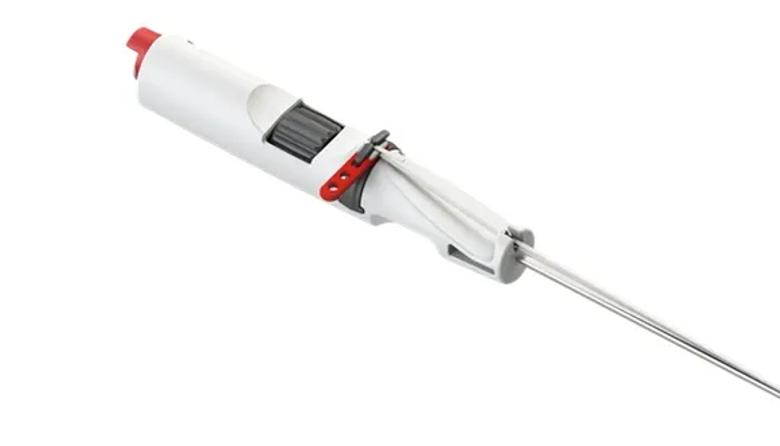
Syndesmotic disruption demands dynamic stability rather than rigid, static screw fixation which often leads to hardware breakage, malreduction, or mandatory secondary removal procedures. The OIC Flex-Fix™ System offers a flexible suture-button construct that maintains physiological micro-motion of the distal tibiofibular joint throughout the healing phase.
- Dynamic Physiological Fixation: Eliminates the need for routine hardware removal surgeries, saving hospitals thousands per patient.
- High-Tensile Suture Construct: Ultra-high-molecular-weight polyethylene (UHMWPE) braid resists fatigue creep and prevents syndesmotic diastasis under physiological weight-bearing loads.
- Low-Profile Titanium Buttons: Designed for flush seating on the lateral fibula plate and medial tibial cortex, minimizing palpable hardware.
2.3 Mini-Fragment & Cannulated Screw Systems
Complementing main trauma plates, our 2.7mm, 3.5mm, and 4.0mm self-tapping cannulated screws provide rapid, precise compression for medial malleolar avulsion fractures and Chaput/Wagstaffe anterior tubercle fragments. Engineered with reverse-cutting flutes, these implants ensure smooth insertion torque and excellent tactile feedback for operating surgeons.
| System Component | Material / Alloy Specification | Screw Diameters / Options | Key Clinical Indication | Regulatory Status |
|---|---|---|---|---|
| Distal Fibula Locking Plate | Ti-6Al-4V ELI / 316L Stainless Steel | 2.7mm & 3.5mm Polyaxial Locking / Cortex | Weber A, B, C Fibula Fractures, Nonunions | FDA 510(k) Cleared, ISO 13485 |
| Flex-Fix™ Syndesmotic Device | Titanium Grade 5 + UHMWPE Braid | Compatible with standard 3.5mm plate holes | Distal Tibiofibular Syndesmotic Disruptions | FDA 510(k) Cleared, CE Ready |
| Posterolateral Malleolar Plate | Anodized Titanium / Stainless Steel | 2.7mm Low-Profile Locking Screws | Posterior Malleolus (Volkmann Triangle) Fixation | FDA 510(k) Cleared, ISO 13485 |
| Cannulated Compression Screws | Titanium Alloy (ASTM F136) | 3.5mm, 4.0mm Short/Long Thread | Medial Malleolar & Tillaux Fracture Compression | FDA 510(k) Cleared, ISO 13485 |
3. Key Industry & Technical Development Trends in Ankle Trauma Surgery
The field of orthopaedic trauma hardware is undergoing a massive paradigm shift driven by technological convergence, material science, and health economics. B2B buyers must evaluate ankle fixation implant suppliers based on their alignment with four critical development vectors:
3.1 Shift from Rigid Screw Fixation to Dynamic Syndesmotic Stabilization
Clinical literature over the past decade (including extensive randomized controlled trials) overwhelmingly demonstrates that flexible suture-button constructs yield superior patient-reported outcome measures (PROMs), lower rates of malreduction on postoperative CT scans, and significantly fewer revision surgeries compared to rigid 3.5mm or 4.5mm trans-syndesmotic screws. Suppliers that fail to offer integrated dynamic syndesmosis options leave healthcare networks exposed to higher re-operation costs.
3.2 Additive Manufacturing & Advanced Metallurgical Coatings
Additive 3D printing technologies (such as Electron Beam Melting and Direct Metal Laser Sintering) are revolutionizing implant surfaces. By creating porous titanium structures that mimic human cancellous bone architecture, modern distal fibula plates and bone staples encourage rapid osseointegration at the bone-implant interface, drastically improving fixation stability in osteopenic and geriatric trauma patients.
3.3 Sterile, Single-Use Procedure Kits
Hospital-acquired infections (HAIs) and the escalating cost of operating room instrument processing have accelerated the adoption of pre-sterilized, single-use ankle plating kits. By delivering procedure-ready, fully traceable sterile kits directly to the OR, healthcare facilities reduce autoclave energy consumption, eliminate instrument tray processing bottlenecks, and guarantee pristine instrument calibration for every procedure.
4. Future Global Procurement Trends for Healthcare Systems
As global healthcare systems pivot toward Value-Based Healthcare (VBHC) and bundled payment models (such as CMS's Comprehensive Care for Joint Replacement and outpatient trauma DRGs), hospital purchasing behaviors are undergoing structural changes.
4.1 Price Transparency and Capitated Cost Models
The historical opacity of orthopaedic implant pricing—where identical plates were sold to neighboring hospitals at vast price discrepancies—is rapidly dissolving. Procurement executives now utilize national benchmark pricing tools to demand capitated implant pricing. Manufacturers like OIC lead this trend by publishing predictable, transparent pricing upfront, cutting out 50% to 60% of traditional price inflation.
4.2 Migration of Trauma Procedures to ASCs
With advancements in minimally invasive surgical techniques and regional anesthesia blocks, uncomplicated ankle fracture repairs are increasingly transitioning from inpatient hospital operating rooms to Ambulatory Surgery Centers. ASCs operate on tight, fixed-fee reimbursement schedules. For an ASC to remain profitable, implant costs must be tightly controlled without sacrificing clinical quality or FDA regulatory compliance.

4.3 Regulatory Rigor: EU MDR and Global Registration Standards
The implementation of the European Union Medical Device Regulation (EU MDR) and heightened post-market surveillance demands by global authorities (including US FDA, Japan PMDA, and Brazil ANVISA) have forced many low-tier suppliers out of the market. Global procurement teams must partner exclusively with manufacturers possessing ISO 13485:2016 certification, full clinical evaluation reports (CERs), and complete raw material traceability.
5. High-Gain B2B FAQ: Frequently Asked Questions by Global Buyers
We eliminate the legacy MedTech sales representative commission structure, expensive marketing sponsorships, and excessive corporate overhead. Our implants are manufactured in the exact same ISO-certified, FDA-registered facilities using the highest medical-grade titanium (Ti-6Al-4V ELI) and stainless steel (316L) as top-tier brands. You pay strictly for high-performance engineering and clinical utility, not sales rep margins.
Yes. OIC implants undergo rigorous mechanical fatigue testing (including ASTM F543 for bone screws and ASTM F382 for metallic bone plates). Our distal fibula locking plates and Flex-Fix™ Syndesmotic Repair Systems hold full FDA 510(k) clearance and are supported by extensive clinical usage across top Level I trauma centers and community hospital networks nationwide.
OIC surgical instruments are designed with intuitive, standardized AO-coupling drives, color-coded drill bits, and clear depth gauges familiar to all orthopaedic surgical scrub technicians and surgeons. Transitioning to an OIC ankle plating set requires zero learning curve for operating room personnel.
We provide flexible inventory delivery formats, including traditional reusable sterilization trays with modular caddies as well as double-sterile blister packaging for individual single-use hospital stocking. All products carry GS1-compliant Unique Device Identification (UDI) barcodes for seamless hospital inventory management and EHR scanning.
We maintain comprehensive central inventory reserves in our US distribution hubs, allowing for standard domestic shipment within 24–48 hours and international air dispatch within 3–5 business days. We partner flexibly with healthcare IDNs and international distributors, tailoring MOQs based on annual contract volume and regional regulatory requirements.
6. Why Global Healthcare Networks Partner with OIC: The Value Advantage
Founded by orthopaedic trauma surgeons and medical device industry veterans, The Orthopaedic Implant Company was established to solve a fundamental systemic flaw: the unsustainable cost of surgical implants. Our corporate ethos is grounded in three uncompromising pillars:
- Proven Clinical Performance: Over 15 years of successful surgical implantation across thousands of trauma procedures, backed by rigorous post-market clinical surveillance and independent mechanical testing.
- AdvaMed Ethics Code Certification: Complete commitment to ethical business practices, healthcare compliance, and transparent contracting devoid of hidden rebates or vendor lock-in clauses.
- Unrivaled Supply Chain Agility: Direct-to-hospital and distributor-partner delivery logistics that eliminate middleman friction, ensuring your operating rooms are never left without essential trauma sizes.

When you choose OIC Ankle Fixation Implants, you are not merely purchasing surgical hardware—you are participating in a global movement to make healthcare more accessible, sustainable, and clinically excellent for every patient, hospital, and surgeon.
Transform Your Trauma Implant Budget Today
Connect directly with our clinical specialists and global procurement team to request engineering documentation, FDA clearance packets, or customized hospital pricing quotes.