


News & Perspectives
Orthopaedic Insights & Industry Blog
Exploring Value-Based Healthcare & Clinical Progress
Blog
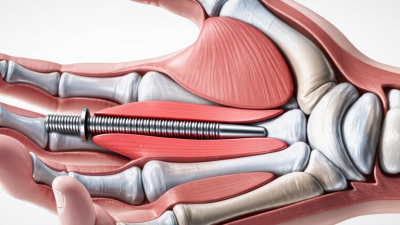
What Are Threaded Metacarpal Nails Used For?
Metacarpal fractures affect the long bones of the hand and can disrupt grip, finger alignment, and everyday tasks. A 2014 review in Hand by Kollitz and colleagues reports that these injuries account for approximately 18%–44% of hand fractures. That broad range reflects differences in study populations and definitions, so it should not be read as a precise forecast for any one patient.
Threaded Metacarpal Nails are internal fixation devices used to stabilize selected metacarpal fractures. Inserted within the bone’s central canal, the nail’s threads help it engage the bone and maintain alignment while healing occurs. Surgeons may consider this approach for certain displaced or unstable fractures, including some shaft or neck injuries. The exact indication depends on the fracture pattern, rotation, bone quality, and the patient’s needs. Not every fracture needs surgery.
Professional guidance, including the AO Foundation’s surgical reference for metacarpal fractures, emphasizes matching fixation to the injury rather than choosing one device for every case. That distinction matters—and is easy to overlook when comparing implant descriptions online. A nail may allow a smaller incision than some plate-based techniques, but it still carries risks, and recovery can vary. Real cases are messier. This article explains what threaded nails are designed to do, which fractures may be considered, and what questions patients can discuss with a qualified hand surgeon. The evidence and device designs are not identical across studies, so treatment decisions should rest on clinical assessment, not a product name alone.
Read more »
 By:Liam
- October 31, 2026

Top 10 Hip Fracture Implant Manufacturers Worldwide
Hip fractures are not solved by metal alone. They demand speed, surgical judgment, dependable manufacturing, and careful recovery planning. This is where Hip Fracture Implants become clinically important. A well-designed nail, plate, screw, or hemiarthroplasty component must fit the patient’s anatomy, support early movement, and tolerate the difficult realities of fragile bone.
Professor Peter V. Giannoudis, a leading orthopedic trauma specialist, has emphasized: “Hip fracture treatment must be patient-centred, evidence-based, and multidisciplinary.” That principle shapes this review of the Top 10 Hip Fracture Implant Manufacturers Worldwide. The ranking considers implant design, clinical reputation, manufacturing consistency, surgeon adoption, research activity, and global service capability. It does not treat market size as proof of clinical superiority.
Details matter. A surgeon may assess screw purchase while examining a thin femoral neck under operating-room lights. A hospital buyer may compare sterilization standards, training support, and revision availability. Patients and families may focus on walking again, not brand recognition. These perspectives can conflict.
No manufacturer is perfect. Evidence differs between products, countries, and patient groups. Some systems appear innovative but lack long-term independent data. Others seem less visible yet perform reliably in everyday trauma care. This guide therefore offers a practical comparison, not an absolute verdict. Readers should verify current approvals, published outcomes, and local clinical requirements before making decisions.
Read more »
 By:Ethan
- October 26, 2026
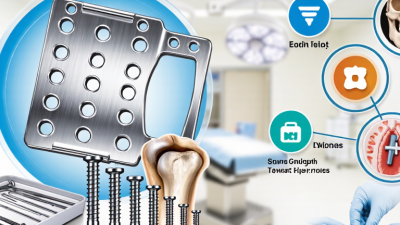
What Type of Ankle Fixation Implants Should You Buy?
Choosing Ankle Fixation Implants requires more than comparing prices, alloy grades, or catalog photographs. The decision should match fracture pattern, bone quality, soft-tissue condition, and surgical experience. AO Surgery Reference emphasizes stable reduction, appropriate fixation, and protection of surrounding tissue during ankle fracture management. That principle remains practical: a locking plate may suit osteoporotic bone, while carefully selected screws may provide adequate stability in a simpler fracture. The implant must serve the patient, not merely the inventory sheet.
Market data adds useful context. Grand View Research reports continued growth in the global orthopedic devices market, driven by trauma care, aging populations, and advancing surgical technologies. Fortune Business Insights similarly identifies trauma fixation as an important orthopedic segment, with demand influenced by fracture incidence and hospital investment. However, broad market growth does not prove that one implant design is clinically superior. That distinction matters. Reports often combine several product categories, making ankle-specific conclusions difficult. Buyers should examine peer-reviewed outcomes, regulatory clearance, sterilization controls, instrument ergonomics, and supplier traceability. They should also review whether the system supports low-profile plates, compression screws, syndesmotic fixation, and revision needs.
Small details can change the operation. A plate that irritates thin lateral skin may create avoidable follow-up work. A screw system with unclear measurement markings can slow surgery. The best purchase is rarely the newest one. It is the system supported by reliable evidence, consistent manufacturing, surgeon training, and responsive clinical service. Procurement teams should question assumptions, compare total ownership costs, and request transparent data before approving Ankle Fixation Implants for routine use.
Read more »
By:Ethan
- October 21, 2026
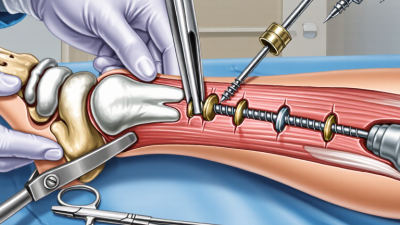
What Are the Top Ankle Syndesmotic Repair Systems?
Ankle Syndesmotic Repair Systems have become increasingly important as surgeons seek stable, anatomically accurate fixation for distal tibiofibular injuries. Orthopedic trauma reports from MarketsandMarkets and Grand View Research identify sustained demand for fixation technologies, driven by sports injuries, ankle fractures, and minimally invasive procedures. However, broad market growth does not prove that one repair system is clinically superior.
The meaningful comparison begins in the operating room. Surgeons assess reduction accuracy, fixation strength, implant flexibility, drilling requirements, and postoperative rehabilitation. Common options include trans-syndesmotic screws, suture-button constructs, and hybrid systems. Each design leaves a different footprint in bone and soft tissue. Small details matter, including tunnel angle, cortical purchase, and the risk of losing reduction during weight-bearing.
Michel P. J. van den Bekerom and colleagues stated, “The gold standard for the diagnosis of syndesmotic instability is still unclear.” That caution remains relevant when evaluating modern Ankle Syndesmotic Repair Systems. A device may appear technically elegant, yet patient anatomy and injury pattern can change the result. Peer-reviewed reviews in Injury and the Journal of Orthopaedic Trauma also emphasize accurate reduction as a major predictor of outcome. This article compares leading systems through clinical evidence, surgeon experience, design characteristics, and reported complications. The ranking is not absolute. Evidence quality varies, and some commercial claims still require stronger independent validation.
Read more »
 By:Oliver
- October 16, 2026
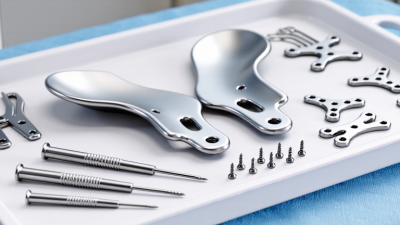
How to Choose Wrist Fracture Plates for Global Buyers?
Choosing Wrist Fracture Plates for global markets is not simply a purchasing decision. It is a clinical, technical, and supply-chain judgment. A plate may fit one distal radius fracture beautifully, yet perform poorly in another case. Buyers must examine fracture patterns, plate contour, screw options, material strength, and surgical access. The surgeon’s workflow matters too. A narrow plate, clear instrumentation, and reliable locking threads can reduce unnecessary handling during surgery.
Jesse B. Jupiter, MD, a widely recognized authority in wrist trauma, stated, “The goal of treatment is to restore the anatomy and function of the wrist.” This principle should guide every purchasing discussion. Global buyers also need dependable quality documentation, traceability, packaging integrity, sterilization information, and regulatory support for their target markets. These details may appear administrative. They directly affect clinical confidence.
Cost still matters. It should not stand alone.
A lower unit price can hide inconsistent tolerances, limited sizes, or weak after-sales support. Buyers should request sample evaluations, technical drawings, clinical feedback, and clear warranty terms. They should compare complete systems, not isolated plates. No selection process is flawless. Even experienced teams can overlook a small issue, such as screwdriver compatibility or insufficient screw length options. That is why careful supplier audits and surgeon input remain essential. This guide explores how to assess Wrist Fracture Plates with practical judgment, measurable criteria, and room for honest reconsideration.
Read more »
By:Liam
- October 11, 2026
China Best Dorsal Spanning Plates Supplier?
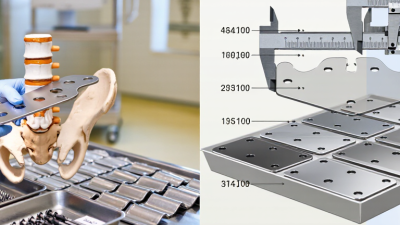
Choosing the China Best Dorsal Spanning Plates Supplier? This question deserves more than a price comparison. Dorsal Spanning Plates support complex distal-radius and wrist injuries when ordinary fixation may not provide enough stability. A reliable supplier should understand surgical realities, not only factory output.
Dr. Jesse B. Jupiter, a respected hand and wrist surgeon, has expressed a practical principle: “Restore function, not merely anatomy.” That idea matters here. A dorsal spanning plate must bridge the wrist securely, align with the second or third metacarpal, and tolerate planned loading during healing. Small details matter. Smooth edges can reduce soft-tissue irritation. Consistent screw threads can improve fixation. Clear radiographic markings can help confirm positioning during surgery.
The best Chinese supplier should provide more than polished product images. Look for documented material specifications, dimensional testing, sterilization information, traceable batches, and surgeon-focused instrumentation. Stainless steel and titanium options may suit different clinical preferences. Locking holes, drill guides, and screw compatibility should be checked carefully. Lead time matters too, especially when hospitals manage urgent trauma cases.
Still, no supplier is perfect. A strong catalog cannot replace clinical evaluation. Some manufacturers communicate well before an order, then respond slowly after delivery. That weakness deserves attention. Buyers should review samples, packaging, certificates, and post-market support before committing. This article examines the practical standards, manufacturing capabilities, and service factors that can identify a dependable China Dorsal Spanning Plates supplier. Credibility is built through evidence. Not promises.
Read more »
By:Ethan
- October 6, 2026
What Is the Best Mini Fragment Plating System from China?
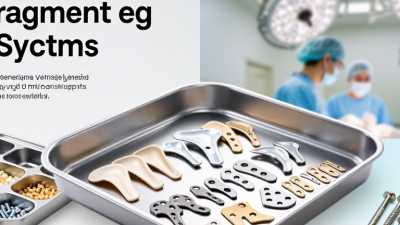
Choosing the best Mini Fragment Plating System from China requires more than comparing prices or catalogue photographs. The right system should match surgical needs, fracture patterns, and hospital protocols. Experienced surgeons often examine plate profiles, screw options, hole spacing, and instrument handling before making a decision. Small differences matter. A plate that feels smooth in the hand may reduce unnecessary adjustment during surgery. A well-designed tray can also improve workflow in a busy operating room.
China has many orthopedic manufacturers with different levels of engineering experience, quality control, and international service. Reliable evaluation should include material specifications, dimensional testing, surface treatment, batch traceability, and sterilization guidance. Evidence of a certified quality management system, such as ISO 13485, can support confidence, but certification alone does not prove clinical suitability. Ask for technical files, inspection records, product samples, and clear instructions for use. Speak with qualified distributors and surgeons who have practical experience with similar systems.
There is no universal “best” option. That conclusion would be too simple. A useful comparison should consider titanium or stainless-steel construction, locking and non-locking screw compatibility, anatomical contours, radiographic visibility, and instrument durability. Supplier communication also matters when urgent replacement parts are needed. Some promising systems may still require stronger clinical documentation or more consistent packaging. Buyers should verify local regulatory requirements before procurement and avoid relying on marketing claims alone. This guide examines these factors carefully, helping readers identify a Mini Fragment Plating System that balances safety, performance, traceability, and long-term support.
Read more »
By:Oliver
- October 1, 2026
2026 Best Cannulated Screws Suppliers for Global Buyers?
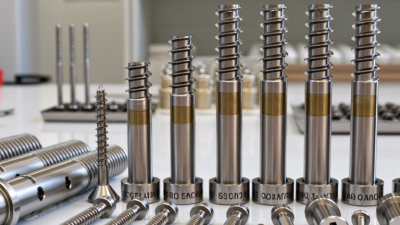
Choosing a supplier for Cannulated Screws in 2026 involves more than comparing unit prices. Global buyers need to assess product range, manufacturing controls, documentation, delivery capability, and communication. A screw may look simple in a catalog. Its dimensions, material specifications, thread design, and compatibility with instruments still matter in clinical use.
This guide explores suppliers through practical questions: Can they provide clear product specifications and traceability records? Do their quality systems and certifications match the buyer’s market and intended use? How do they handle sampling, packaging, lead times, and changes to an order? Details matter. Supplier claims should be checked against current documents, product samples, and direct discussions—not treated as proof by themselves.
No single supplier will suit every hospital, distributor, or device manufacturer. Some buyers prioritize a broad portfolio; others need stable production or responsive technical support. Comparisons can also be imperfect, since public information varies and quoted prices may exclude important costs. That is worth remembering. The following overview helps global buyers build a shortlist, identify questions for supplier evaluation, and make a more informed sourcing decision. It is not a substitute for regulatory, clinical, or quality-system review. Before placing an order, buyers should confirm that the specific product and documentation meet applicable requirements in the destination market.
Read more »
By:Liam
- September 26, 2026
2026 Top External Fixation Systems Types for Global Buyers
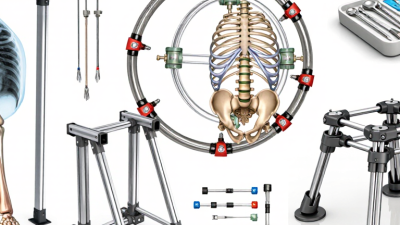
Choosing the right External Fixation Systems requires more than comparing frame shapes or catalogue prices. Global buyers must examine clinical purpose, bone stability, soft-tissue condition, surgeon experience, and available after-sales support. A system used for complex fractures may not suit limb lengthening, deformity correction, or temporary damage-control procedures. Small differences matter, including pin coatings, clamp adjustment, radiolucency, frame weight, and instrument compatibility.
Gavriil Ilizarov, the orthopedic surgeon who developed the circular fixation method, stated, “The tension-stress effect is the stimulation of regenerative and growth processes in tissues.” His principle still influences modern fixation design. It reminds buyers that mechanical stability must work with biological healing, not against it. Evidence, training, and careful patient selection remain essential.
This 2026 guide reviews major External Fixation Systems types for international purchasers, including unilateral frames, circular systems, hybrid frames, and hexapod solutions. It considers practical factors such as material quality, sterilization processes, modularity, documentation, and regulatory expectations. Manufacturers may present impressive technical data. Yet real-world performance can vary with application, anatomy, and operating-room conditions. That limitation deserves attention.
A lower purchase price is not always a lower total cost. Replacement pins, compatible tools, training, shipping delays, and clinical complications can change the calculation. Buyers should request traceable product information and verify local compliance before procurement. No single system is ideal for every hospital. Better decisions come from matching proven design with actual clinical needs.
Read more »
By:Ethan
- September 21, 2026
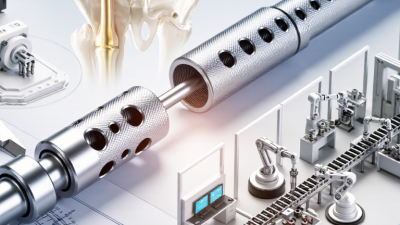
China Best Intramedullary Nails Manufacturer Supplier?
Choosing the right China Intramedullary Nails manufacturer supplier requires more than comparing prices. These implants must support precise fracture fixation, controlled load sharing, and dependable surgical performance. A strong supplier should demonstrate practical manufacturing experience, documented quality systems, material traceability, and consistent dimensional control.
German orthopedic surgeon Gerhard Küntscher, a pioneer of modern intramedullary nailing, famously observed, “The marrow cavity is the natural splint.” This principle still shapes implant design today. It highlights why nail geometry, diameter, locking-hole accuracy, and surface finish matter inside the patient’s bone. Small manufacturing deviations can affect alignment, locking-screw placement, and operative efficiency.
The best supplier should provide clear product specifications, sterilization information, inspection records, and professional technical support. It should also explain how its Intramedullary Nails are tested for strength, fatigue resistance, corrosion protection, and packaging integrity. Manufacturing experience helps, but it does not replace independent verification. Buyers should review applicable certifications and confirm regulatory requirements for their target market.
China offers capable orthopedic implant manufacturers, yet quality can vary between factories. A polished catalog is not enough. Ask for production samples, audit evidence, batch records, and surgeon feedback where available. Some evaluations may remain incomplete, especially when long-term clinical data is limited. That uncertainty deserves attention.
A reliable purchasing decision balances engineering evidence, clinical needs, supplier responsiveness, and transparent communication. The right partner should welcome difficult questions. That is often more valuable than a low quotation.
Read more »
By:Oliver
- September 16, 2026

What is Value Based MedTech and Why Does it Matter?
Value-Based MedTech is reshaping the healthcare landscape. This innovative approach focuses on delivering high-quality patient outcomes while controlling costs. Dr. Emily Chen, a leading expert in the field, states, "Value-Based MedTech prioritizes patient well-being over profit margins." This emphasizes the shift towards a more patient-centered model.
In this context, the integration of Value-Based MedTech can enhance the efficiency of medical devices and treatments. Companies are now encouraged to innovate with a clear focus on value. However, challenges persist. Balancing profitability and patient outcomes is complex. Not all MedTech innovations successfully transition to this value-driven model.
Moreover, the industry must address discrepancies in data reporting and patient feedback. Genuine assessment of value requires transparency and reliable metrics. As the sector evolves, stakeholders must reflect on their strategies. Embracing Value-Based MedTech is not just a trend; it is essential for sustainable healthcare.
Read more »
By:Ethan
- August 28, 2026

Top Orthopaedic Trauma Devices for Global Buyers 2026?
The global market for Orthopaedic Trauma Devices is poised for significant growth by 2026. According to a recent market research report, the orthopaedic trauma segment is expected to reach a valuation of over $10 billion. Population aging and rising incidences of road accidents fuel this demand.
Orthopaedic Trauma Devices, including plates, screws, and nails, are crucial for treating fractures. The shift towards minimally invasive techniques has also boosted device adoption. Specialists note that improved surgical outcomes are linked to advanced materials and design innovations. However, challenges persist, such as device failure and long recovery times.
Healthcare professionals advocate for ongoing education and training to enhance surgical techniques. There's a need for industry stakeholders to address device-related complications. Buyers must prioritize quality and regulatory compliance when selecting these essential products. This careful approach can foster trust in Orthopaedic Trauma Devices, ensuring better patient outcomes and safety.
Read more »
By:Ethan
- August 28, 2026