


OIC orthopaedic surgical team in operating room — high-value implant solutions
Medical team — OIC value-based orthopaedic implants for hospitals and surgeons
Active patients running — OIC orthopaedic implants enable recovery and return to life
News & Perspectives

Orthopaedic Insights & Industry Blog

Exploring Value-Based Healthcare & Clinical Progress

0%

Choosing a supplier for Cannulated Screws in 2026 involves more than comparing unit prices. Global buyers need to assess product range, manufacturing controls, documentation, delivery capability, and communication. A screw may look simple in a catalog. Its dimensions, material specifications, thread design, and compatibility with instruments still matter in clinical use.

This guide explores suppliers through practical questions: Can they provide clear product specifications and traceability records? Do their quality systems and certifications match the buyer’s market and intended use? How do they handle sampling, packaging, lead times, and changes to an order? Details matter. Supplier claims should be checked against current documents, product samples, and direct discussions—not treated as proof by themselves.

No single supplier will suit every hospital, distributor, or device manufacturer. Some buyers prioritize a broad portfolio; others need stable production or responsive technical support. Comparisons can also be imperfect, since public information varies and quoted prices may exclude important costs. That is worth remembering. The following overview helps global buyers build a shortlist, identify questions for supplier evaluation, and make a more informed sourcing decision. It is not a substitute for regulatory, clinical, or quality-system review. Before placing an order, buyers should confirm that the specific product and documentation meet applicable requirements in the destination market.
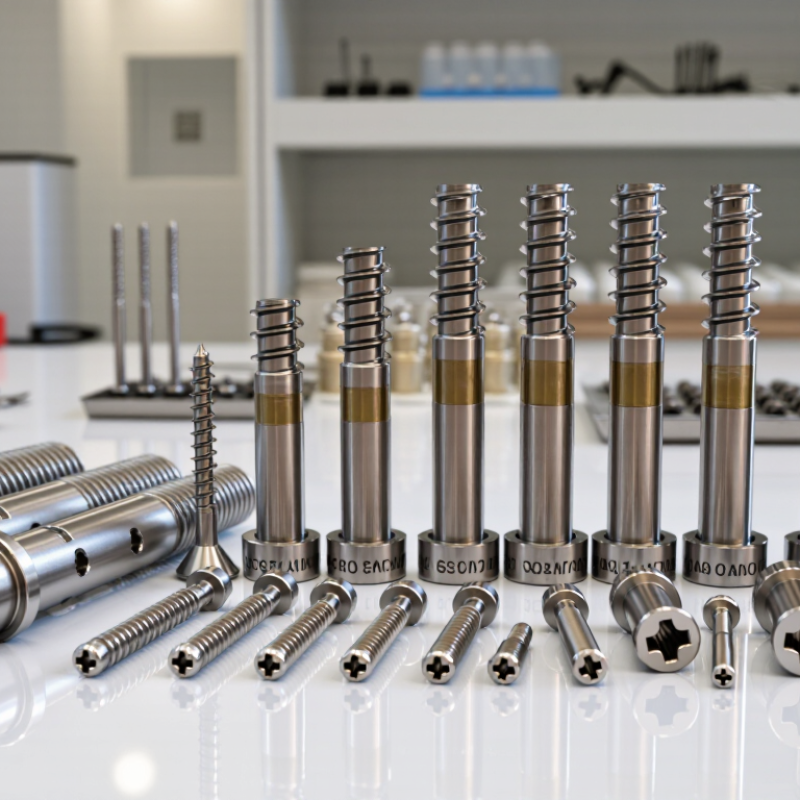
2026 Best Cannulated Screws Suppliers for Global Buyers?

What Cannulated Screws Are and How They Are Used

Cannulated screws have a hollow center that lets surgeons guide the implant over a thin wire. The wire is positioned first, often with imaging, then the screw advances along it. This can help control placement in small or hard-to-reach bones.

These screws are commonly used to stabilize selected fractures of the hip, wrist, ankle, and foot. For example, a surgeon may use them to hold a scaphoid fracture while the bone heals.

The Global Burden of Disease Study 2019 estimated 178 million new fractures worldwide that year; its findings were published in The Lancet Healthy Longevity in 2021. That figure covers fractures overall, not cannulated-screw procedures.

During fixation, the surgeon checks the guidewire’s direction and depth before choosing a screw length and diameter. Imaging helps, but the technique is not foolproof. A wire can shift, and a screw that is too long may irritate nearby tissue.

Fracture shape, bone quality, and the patient’s anatomy all affect the choice.

For global procurement teams, specifications should clearly identify dimensions, material, and sterile or non-sterile supply status. These details matter. Yet a product sheet cannot replace clinical judgment, and “standard” sizing may not fit every case.

Key Types, Materials, and Design Features of Cannulated Screws

Cannulated screws have a hollow center that allows placement over a guide wire. This can help a surgical team position the implant along a planned path, especially when access is limited. Common types include partially threaded screws for compression across a fracture, fully threaded screws for more uniform thread engagement, and headless designs intended to sit below the bone surface. The right pattern depends on the procedure, anatomy, and surgeon’s plan. Small differences matter.

Materials commonly include medical-grade titanium alloys and stainless steel. Each has distinct mechanical and handling characteristics, so material choice should match the intended system and clinical requirements. A screw’s outer diameter, core diameter, thread pitch, and cannulation size all affect its design. The guide wire must be compatible with the screw’s central channel; a close match on paper is not enough without checking product specifications.

Details deserve scrutiny. Thread length, tip shape, and drive recess can influence how a screw is inserted and seated. Headless screws may use different thread configurations at each end to support compression, but not every design behaves identically. Suppliers should provide clear dimensions, material documentation, inspection records, and compatibility information. Packaging and labeling matter, too. Even a useful design becomes difficult to assess when specifications are incomplete.

How to Evaluate Cannulated Screw Suppliers in 2026

How to Evaluate Cannulated Screw Suppliers in 2026

Evaluate more than the catalog. Ask for clear specifications covering screw diameter, length range, thread design, material, and guidewire compatibility. Check whether drawings match the products supplied, and request traceable lot documentation. For a real-world check, compare sample screws with the stated dimensions and inspect their finish under good lighting. Small details matter. Confirm what information is available on sterilization, packaging, and shelf life. Requirements can vary by market, so verify documentation with qualified regulatory and procurement teams.

Supplier quality is also about consistency. Ask how the supplier controls production changes, investigates defects, and responds to complaints. Review relevant quality-system records and audit evidence where available. Discuss lead times, minimum order quantities, forecast changes, and shipping safeguards before placing an order. A spreadsheet can look reassuring; it cannot show how a supplier handles a delayed shipment or a production deviation. Ask for specific examples. Then check whether the answers are documented and consistent across contacts.

Tips: Test samples in the intended workflow with qualified users. Check guidewire passage, handling, and fit with compatible instruments. Keep notes. Ask who will notify you about specification or process changes, and agree on a clear contact route before ordering.

How to Evaluate Cannulated Screw Suppliers in 2026

Suggested weighting for a structured supplier evaluation

Use these suggested weights to compare suppliers consistently. Verify regulatory documentation, product specifications, traceability, manufacturing capacity, lead times, and total costs for each supplier. The percentages are an evaluation framework, not verified supplier-performance or market-share data.

Leading Supplier Profiles and Global Market Considerations

2026 Best Cannulated Screws Suppliers for Global Buyers?
Leading Supplier Profiles and Global Market Considerations

A supplier profile should show more than product photos. Compare screw diameters, lengths, thread designs, cannulation dimensions, and instrument compatibility. Grand View Research valued the global orthopedic devices market at USD 55.8 billion in 2023. That figure covers many product categories, not cannulated screws alone, so it offers context rather than a screw-market forecast. Small details matter.

For global sourcing, review quality-system evidence, material certificates, lot traceability, inspection records, and packaging information. Check whether the supplier can provide consistent specifications across repeat orders. Registration and import requirements differ by destination, so confirm local requirements before purchasing. A polished catalogue is not proof of reliable production. I would also ask how the supplier handles changes in components or manufacturing sites; this point is easy to overlook.

Tips: Request sample documentation for one specific screw size, then compare it with the production specification. Check quality-system certificates against their stated scope and validity. If an answer is vague, ask again—in writing.

2026 Best Cannulated Screws Suppliers for Global Buyers? - Leading Supplier Profiles and Global Market Considerations

An anonymized buyer’s comparison of common supplier models and practical sourcing checks. These profiles describe supplier categories, not specific companies or verified supplier rankings. Confirm product specifications, regulatory status, and commercial terms directly with each prospective supplier.

Supplier profile Typical strengths Cannulated screw checks Documents and compliance to verify Global buyer considerations
Established orthopaedic implant manufacturer May offer a broad implant portfolio, established quality processes, and technical support. Confirm screw design, diameter and length range, thread configuration, guidewire compatibility, and instrument availability. Request applicable market authorizations, product-specific technical documentation, traceability details, and current quality-system certificates. ISO 13485 is a quality-management-system standard, not product approval. Check whether the exact product and intended use are authorized in the destination market; authorization in one region does not establish authorization in another.
Specialist bone-screw manufacturer May focus on screw geometry, material options, and related insertion instrumentation. Check cannulation dimensions, guidewire fit, self-tapping or self-drilling features where specified, drive interface, and compatibility with the proposed instruments. Verify material and manufacturing specifications against the product’s technical file. Common implant-material standards include ASTM F136 / ISO 5832-3 for wrought titanium-6aluminium-4vanadium alloy and ASTM F138 / ISO 5832-1 for wrought stainless steel; confirm the exact grade and applicable edition. Ask about lot traceability, change control, packaging, sterilization configuration, and lead times for the required sizes.
OEM or private-label manufacturer May support products made to an agreed specification and branding or packaging arrangements. Agree on drawings, tolerances, inspection criteria, approved materials, labeling, and responsibility for instruments and technical files. Clarify which legal entity is the manufacturer, who holds market authorizations, and who controls design changes, complaints, and post-market obligations. Contractually define ownership of tooling and documentation, audit rights, acceptance criteria, forecast obligations, and notice periods for changes.
Regional authorized distributor May provide local-language support, regional inventory, and assistance with local purchasing procedures. Confirm the distributor’s authorization, the exact supplied product and configuration, and access to compatible instruments and replacement stock. Request evidence of appointment and the documents required by the destination market. Under the EU MDR, distributor obligations are distinct from those of the manufacturer and importer. Compare local availability, import responsibilities, warranty handling, language requirements, and the route for reporting complaints or adverse events.
Contract manufacturer or machining partner May provide manufacturing operations such as machining or finishing under a customer’s design and quality requirements. Assess process validation, dimensional inspection, surface-finish controls, cleaning, and the documented handoff of finished product responsibilities. Determine whether the partner is the legal manufacturer or a subcontractor, and review relevant quality agreements, audit evidence, and traceability records. Evaluate supply-chain continuity, qualified backup processes, shipping conditions, and who is responsible for final release and regulatory submissions.
Sterile-ready or sterilized-product supplier May supply sterile products or products intended for sterilization by a separately identified party. Check the supplied sterile status, packaging configuration, labeled sterilization method, shelf life, and compatibility of any instruments in the set. For sterile products, review applicable sterilization validation, packaging validation, and shelf-life evidence. Do not assume a non-sterile product is ready for clinical use. Confirm import and storage conditions, labeling language, expiration-date format, and responsibilities for local reprocessing where applicable.

Buyer note: Regulatory pathways depend on the product, intended use, and destination market. For example, EU market access is governed by applicable requirements under Regulation (EU) 2017/745 (MDR), while U.S. requirements depend on the device classification and applicable FDA pathway; a 510(k) is not a universal requirement for every device. Verify current requirements with the relevant authority or a qualified regulatory professional.

Regulatory, Quality, and Purchasing Checks for International Buyers

When comparing cannulated screw suppliers, international buyers should verify that each product is cleared or registered for the intended destination, where required. Request current certificates and confirm their scope, issuing body, and expiry date. A quality-system certificate alone does not prove that a specific screw is authorized for sale.

Ask for material specifications, lot-level traceability, inspection records, and evidence supporting the stated dimensions and mechanical performance. For sterile products, review sterilization validation, package integrity testing, and shelf-life data. Check that labels and instructions match the destination’s language and requirements. Details matter. A tidy document folder can still leave gaps; compare the paperwork with sample packaging and product markings.

Purchasing checks deserve equal care. Confirm minimum order quantities, lead times, production capacity, change-notification procedures, and how complaints or recalls are handled. Ask whether replacement lots can be traced quickly using the lot number on each package. Keep written acceptance criteria in the purchase agreement, including required documents and delivery conditions. I would not judge a supplier by one successful sample alone. That can be tempting, especially under time pressure. Request references or audit evidence where practical, then record unresolved questions before placing a larger order. One detail may be missed. Recheck it.

FAQS

What makes a cannulated screw different from a standard screw?

It has a hollow center for placement over a guide wire. The wire can help guide the screw along a planned path.

How do partially and fully threaded screws differ?

Partially threaded screws may provide compression across a fracture. Fully threaded designs offer more uniform thread engagement. The plan matters.

What is a headless screw designed to do?

It is intended to sit below the bone surface. Some designs use different thread patterns at each end to support compression.

Which materials are commonly used?

Medical-grade titanium alloys and stainless steel are common. Their mechanical and handling characteristics differ, so check the intended system’s specifications.

Which dimensions should buyers review?

Check the outer and core diameters, thread pitch, cannulation size, and thread length. Confirm that the guide wire fits the central channel. Paper compatibility is not enough.

What documents should a supplier provide?

Request material details, lot traceability, inspection records, and dimensional and performance evidence. Check certificates for scope, issuer, and expiry date.

What should be checked for sterile products?

Review sterilization validation, package integrity testing, and shelf-life data. Compare labels and instructions with sample packaging. Small details matter.

What purchasing details deserve attention?

Confirm order quantities, lead times, production capacity, change notifications, and complaint or recall procedures. Put acceptance criteria and delivery conditions in writing.

Is one successful sample enough to assess a supplier?

I would not rely on one sample alone. Request references or audit evidence where practical, and record open questions. Recheck the lot traceability details.

Conclusion

This article explains what Cannulated Screws are and how their hollow centers help guide placement during procedures that require precise fixation. It introduces common screw types, materials, thread patterns, sizes, and design features, while outlining how these choices may affect strength, handling, and suitability for different applications.

For buyers comparing suppliers in 2026, the article presents practical evaluation criteria, including product range, manufacturing consistency, technical documentation, communication, and supply capabilities. It also considers global purchasing needs and the importance of checking quality systems, regulatory documentation, packaging, traceability, lead times, and after-sales support. These considerations can help international buyers assess suppliers systematically and make informed purchasing decisions based on their clinical, operational, and market requirements.

Liam

Liam

Liam is a dedicated marketing professional with a deep-seated passion for the industry and an unwavering commitment to excellence. With extensive expertise in our company’s core products and services, he is well-equipped to articulate their unique value propositions to our audience. Through......