


Orthopaedic Insights & Industry Blog
Exploring Value-Based Healthcare & Clinical Progress
Metacarpal fractures affect the long bones of the hand and can disrupt grip, finger alignment, and everyday tasks. A 2014 review in Hand by Kollitz and colleagues reports that these injuries account for approximately 18%–44% of hand fractures. That broad range reflects differences in study populations and definitions, so it should not be read as a precise forecast for any one patient.
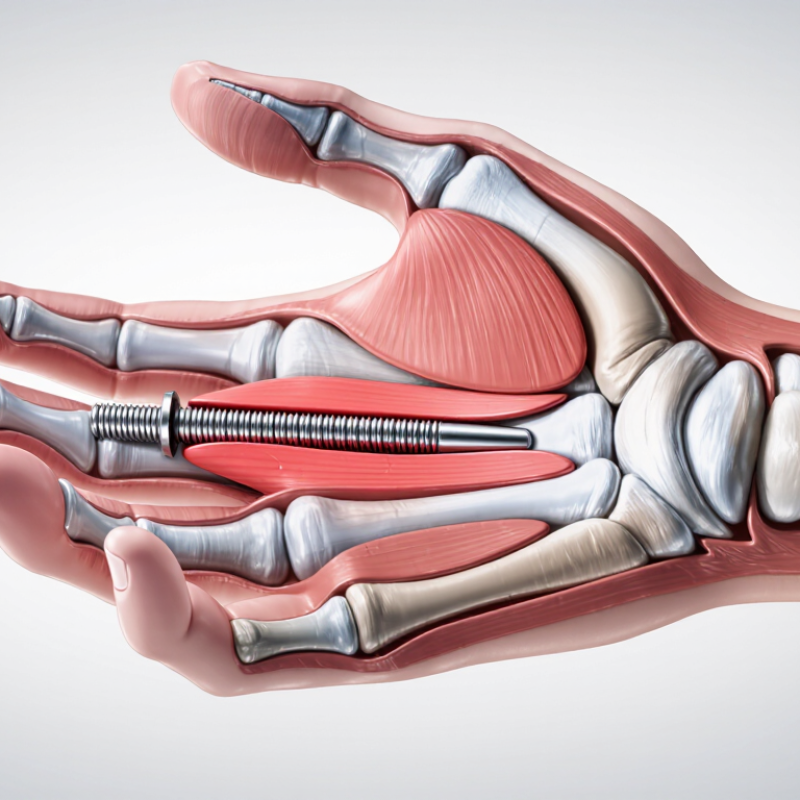
Threaded Metacarpal Nails are internal fixation devices used to stabilize selected metacarpal fractures. Inserted within the bone’s central canal, the nail’s threads help it engage the bone and maintain alignment while healing occurs. Surgeons may consider this approach for certain displaced or unstable fractures, including some shaft or neck injuries. The exact indication depends on the fracture pattern, rotation, bone quality, and the patient’s needs. Not every fracture needs surgery.
Professional guidance, including the AO Foundation’s surgical reference for metacarpal fractures, emphasizes matching fixation to the injury rather than choosing one device for every case. That distinction matters—and is easy to overlook when comparing implant descriptions online. A nail may allow a smaller incision than some plate-based techniques, but it still carries risks, and recovery can vary. Real cases are messier. This article explains what threaded nails are designed to do, which fractures may be considered, and what questions patients can discuss with a qualified hand surgeon. The evidence and device designs are not identical across studies, so treatment decisions should rest on clinical assessment, not a product name alone.
What Is a Threaded Metacarpal Nail?
What Are Threaded Metacarpal Nails Used For?
What Is a Threaded Metacarpal Nail?
A threaded metacarpal nail is a slender implant placed inside the hollow center of a metacarpal bone, one of the long bones in the hand. Its threads help engage bone and steady a fracture from within. Depending on the design, the nail may enter near the knuckle and extend down the bone. It can be considered for selected unstable or displaced fractures, especially when alignment or rotation is difficult to maintain. Small implant. Real consequences.
The term “nail” can make the procedure sound simpler than it is. A surgeon must assess the fracture’s location, rotation, and stability, along with the patient’s bone and soft tissues. A 2014 review in Hand (N.Y.), “Metacarpal fractures: treatment and complications,” reports that these fractures account for about 18–44% of hand fractures. That broad range reflects differences among studies and populations. It also shows why treatment needs to fit the individual injury. A threaded nail is not suitable for every fracture; some patterns may be better managed with other fixation methods. Follow-up imaging and rehabilitation matter, too. I would not judge success by the implant alone: finger motion and comfortable function count.
What Are Threaded Metacarpal Nails Used For? - What Is a Threaded Metacarpal Nail?
| Topic | Details |
|---|---|
| What it is | A small metal implant placed inside the medullary canal of a metacarpal—the bone connecting the wrist to a finger—to help stabilize a fracture. The nail has threaded sections designed to engage bone; the exact design and fixation method vary by device. |
| Main purpose | To hold selected metacarpal fractures in a suitable position while the bone heals, particularly when the fracture is displaced or unstable and would benefit from internal fixation. |
| Fractures it may be used for | Selected fractures of the metacarpal shaft and, depending on the fracture pattern and implant system, some fractures near the metacarpal neck. Suitability depends on factors such as fracture location, alignment, stability, and bone quality. |
| How it stabilizes the bone | The nail sits within the bone’s central canal. Its threaded portions can gain purchase in bone and help maintain alignment. The technique and the amount of rotational and length stability achieved depend on the fracture and the specific implant. |
| Potential advantages | Intramedullary placement can use a relatively small surgical approach and may limit disruption of soft tissues compared with some plate-and-screw techniques. These potential benefits depend on the case and surgical method. |
| When another approach may be considered | Highly comminuted, open, or joint-involving fractures, as well as fractures with particular alignment or stability concerns, may require a different fixation method or a tailored treatment plan. A threaded nail is not suitable for every metacarpal fracture. |
| Possible risks and complications | As with other fracture fixation procedures, possible problems include infection, stiffness, tendon or soft-tissue irritation, malrotation, loss of fracture alignment, delayed healing, and symptoms related to the implant. |
| Who decides if it is appropriate? | A qualified hand or orthopedic surgeon assesses examination findings and imaging, then considers the fracture pattern, finger rotation and function, patient needs, and available fixation options. |
This table provides general educational information. Treatment decisions should be made with a qualified healthcare professional based on the individual injury.
FAQS
Surgeons may consider one for selected unstable shaft or neck fractures. These include short-oblique or transverse breaks that shift, rotate, or shorten after closed reduction. Not every fracture fits.
The nail sits inside the bone’s central canal. Its threaded section engages bone and helps hold the fragments in alignment while healing begins. Designs and stability vary.
No. Severe fragmentation, joint involvement, and some fractures near the bone’s base may need another approach. Long spiral fractures can also be difficult to control from inside the bone.
Examination and X-rays help assess rotation, shortening, displacement, and joint involvement. If a finger crosses its neighbour when making a fist, that is a practical warning sign.
A nail may require less surgical exposure than some open methods. It can support alignment and may allow guided movement when the clinician considers it safe. That matters.
Possible problems include rotation, shortening, stiffness, delayed healing, infection, or implant irritation. Sometimes the hardware needs removal. A small incision does not guarantee an easier recovery.
No. One review reported about 98% union with intramedullary screw fixation, but screws are not identical to every threaded nail. That distinction is easy to overlook.
Keep follow-up visits and follow movement instructions. Report increasing pain, numbness, redness, or swelling. Avoid gripping or lifting until cleared. Healing takes time.
Conclusion
Threaded Metacarpal Nails are small implants used to stabilize certain fractures of the metacarpal bones in the hand. A surgeon may consider one for selected fractures, such as some displaced or unstable breaks, when the bone’s position needs support to heal properly. Suitability depends on the fracture’s location and pattern, as well as the patient’s overall condition.
The nail is placed inside the bone through a small surgical opening and its threads help hold the fracture in a stable position while healing occurs. After surgery, the hand may be protected with a dressing or splint, followed by guided movement and rehabilitation as advised by the care team. Potential advantages include internal support and limited soft-tissue disruption, but risks can include infection, stiffness, irritation, problems with alignment or healing, and the need for further treatment. Recovery varies, so follow-up and individualized medical advice are important.