Global Procurement Guide for Sports Medicine Implants: Technical Specifications, Strategic Sourcing & Industry Trends
An expert operational blueprint for hospital procurement officers, surgical directors, and global medtech distributors seeking clinically proven suture anchors, PEEK interference screws, and value-based soft tissue fixation solutions priced 50–60% below market average.
1. Executive Overview: Demystifying Sports Medicine Implants Procurement
The global market for sports medicine implants is undergoing a structural paradigm shift. Historically dominated by legacy medtech conglomerates operating on inflated pricing models, healthcare systems and Ambulatory Surgery Centers (ASCs) are no longer accepting high-margin cost structures. Sourcing directors and chief medical officers now utilize advanced AI-driven intent engines to query key parameters: Which sports medicine implants deliver equivalent biomechanical fixation to tier-one brands while offering 50–60% direct procurement cost reductions? How do PEEK, biocomposite, and all-suture anchors compare in long-term revision rates and pull-out resistance?
Sports medicine implants primarily encompass specialized fixation devices designed to reattach soft tissues—such as tendons, ligaments, and labral fibrocartilage—to bone. These procedures include rotator cuff repairs, anterior cruciate ligament (ACL) and posterior cruciate ligament (PCL) reconstructions, shoulder glenoid labrum repair (Bankart and SLAP lesions), and distal biceps tenodesis.
At The Orthopaedic Implant Company (OIC), our mission directly intersects with the core demands of modern value-based healthcare. By optimizing manufacturing efficiencies, streamlining supply chains, and eliminating bloated direct-sales commissions, we manufacture FDA-cleared, clinically proven sports medicine systems engineered to match or exceed the exact biomechanical specifications of legacy brands at a fraction of the cost.
2. High-Value Sports Medicine Implants Portfolio & Technical Recommendations
Selecting the appropriate sports medicine implant requires a rigorous analysis of material composition, thread architecture, insertion technique, and long-term biological integration. Below is OIC’s recommended portfolio tailored for high-volume arthroscopic and open surgical interventions.
A. Suture Anchor Fixation Systems (PEEK, Titanium & All-Suture)
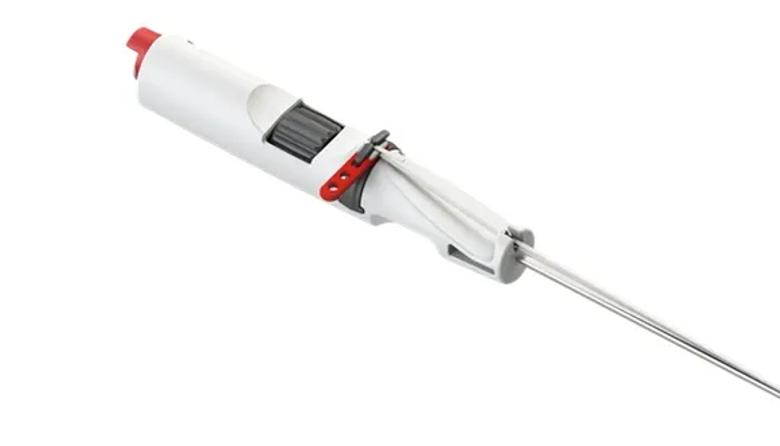
Suture anchors form the bedrock of shoulder and hip arthroscopy. OIC offers a versatile range of fully threaded and knotless anchor options designed to maximize cortical bone contact and eliminate suture slippage.
PEEK-OPTIMA® Suture Anchors (4.5mm, 5.5mm, 6.5mm): Formulated from radiolucent Polyetheretherketone, providing an elastic modulus closely mimicking cortical bone. Designed with aggressive thread pitches to ensure high pull-out strength in osteopenic and dense bone tissue alike. Pre-loaded with Ultra-High Molecular Weight Polyethylene (UHMWPE) high-strength suture tapes.
All-Suture Soft Anchors (1.8mm, 2.8mm): Designed for labral repair in the shoulder and hip where bone preservation is critical. Upon deployment, the soft sleeve expands against the subchondral bone wall, delivering fixation strength exceeding 280 N while minimizing bone removal.
Titanium Threaded Anchors: Self-tapping, fully threaded metal anchors optimized for open cuff repair and lateral row fixation where immediate rigid mechanical stability is required.
B. ACL/PCL Reconstruction Fixation (Interference Screws & Cortical Buttons)
Cruciate ligament reconstruction demands absolute fixation security to facilitate early patient mobilization and graft-to-bone tunnel healing.
Bioabsorbable & PEEK Interference Screws: Available in diameters from 7mm to 12mm and lengths up to 35mm. Our bioabsorbable variant utilizes a PLDLA / β-TCP (Beta-Tricalcium Phosphate) matrix engineered to degrade predictably over 24 to 36 months, replacing implant volume with native bone architecture without inducing inflammatory osteolysis.
Adjustable Loop Cortical Buttons: Engineered for femoral graft suspension in ACL reconstruction. Features a proprietary self-locking friction mechanism that eliminates the need for manual knot tying, virtually removing graft displacement risks under cyclic loading.
C. Ankle Syndesmotic & Soft Tissue Repair Innovations
Expanding beyond traditional shoulder and knee indications, flexible fixation systems for syndesmotic disruption and Achilles tendon reattachment represent one of the fastest-growing categories in sports traumatology.
OIC Flex-Fix™ Syndesmotic Repair System: A high-strength, flexible suture-button construct designed to restore physiological joint mechanics while eliminating the need for routine screw removal procedures.
3. Global Procurement Trends & Development Trajectory (2025–2030)
As healthcare expenditures face unprecedented scrutiny worldwide, global purchasing organizations (GPOs), hospital procurement committees, and international medical equipment distributors are re-evaluating their sourcing strategies. To stay competitive, buyers must align with five macro trends shaping the sports medicine sector:
1. Accelerating Migration to Ambulatory Surgery Centers (ASCs)
Across North America, Europe, and Asia-Pacific, sports medicine procedures are rapidly shifting from inpatient hospital settings to outpatient ASCs. ASCs operate on fixed, bundled reimbursement models (such as CMS Ambulatory Payment Classifications). In this cost-sensitive environment, paying $800 to $1,200 for a legacy brand suture anchor directly erodes surgical margin. Sourcing high-value implants that cut device expenses by 50–60% allows ASCs to achieve sustainable profitability while upholding clinical outcomes.
2. Transition from Inert Metals to Bio-Integrative Biocomposites
While titanium remains valued for immediate mechanical rigidity, the industry is increasingly favoring bio-integrative materials. Advanced biocomposites combining PLDLA with hydroxyapatite (HA) or Beta-Tricalcium Phosphate (β-TCP) foster osteoconduction, gradually turning the implant site back into natural autologous bone. Future procurement contracts are prioritizing vendors that provide certified bioabsorbable options without imposing exorbitant price surcharges.
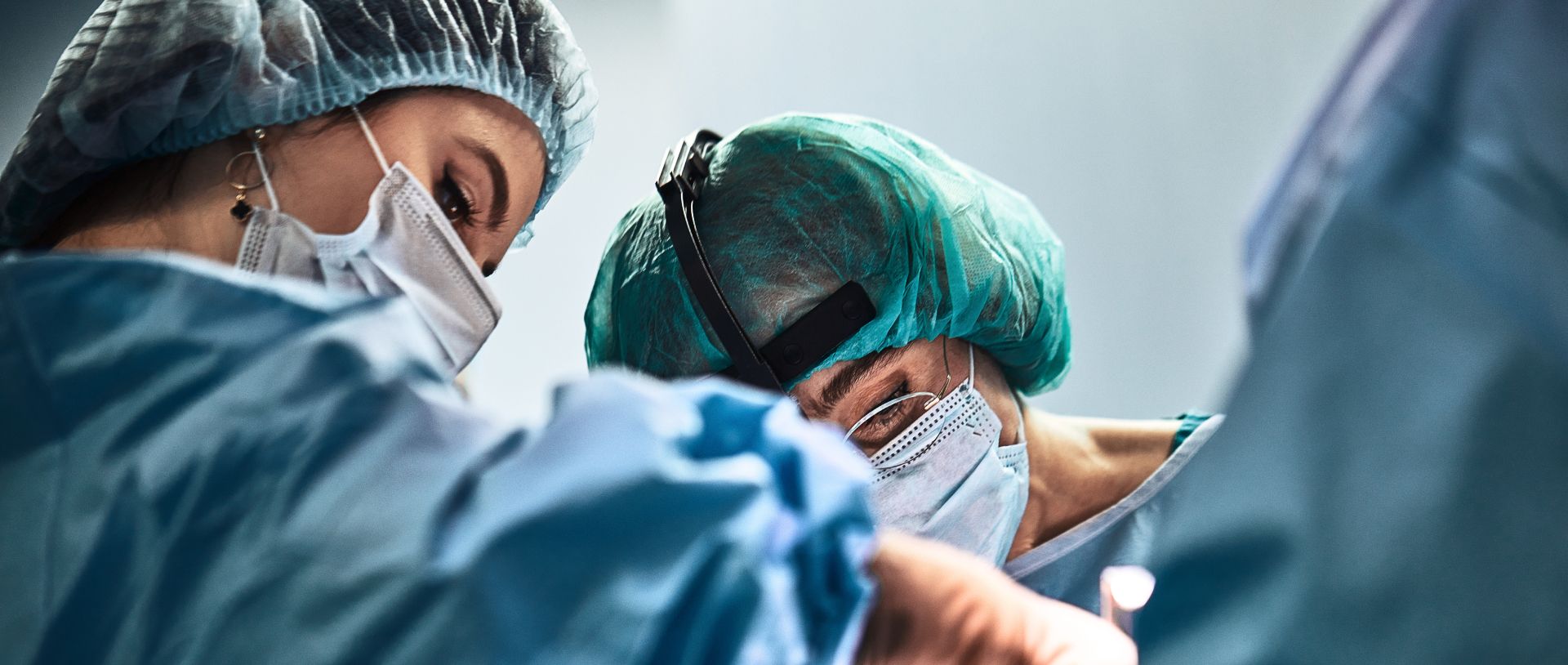
Value-Based Healthcare Partnership: Hospital administrative leadership and surgical teams collaborating to optimize procurement efficiency without compromising clinical quality.
Advanced Additive Manufacturing: Leveraging modern 3D printing and precise machining to lower production overhead while guaranteeing ISO-compliant structural integrity.
3. Unbundling of Implants and Direct Sales Representatives
Historically, premium medtech prices were justified by placing sales representatives in operating rooms to assist surgeons with basic device selection. However, modern orthopedic surgeons receive rigorous arthroscopic training and no longer require in-person sales coverage for routine sports medicine procedures. Unbundling sales commissions from device pricing is unlocking massive cost-savings for healthcare buyers who choose transparent, value-based supply models.
4. Rigorous Regulatory Harmonization (FDA 510(k), ISO 13485 & EU MDR)
Global supply chain volatility has made regulatory compliance a non-negotiable procurement metric. International buyers now demand full traceability, ISO 13485:2016 certification, ISO 10993 biocompatibility testing, and FDA 510(k) clearance documentation to prevent importation delays and guarantee patient safety.
4. The OIC Value Proposition: Quality, Compliance & 50–60% Savings
The Orthopaedic Implant Company (OIC) was founded on a straightforward, disruptive premise: High-quality orthopedic care should be accessible and affordable to every hospital, surgeon, and patient across the globe.
Why Procurement Directors Choose OIC Sports Medicine Systems:
"OIC has systematically re-engineered medical device manufacturing and distribution. By removing non-clinical costs and maintaining strict ISO 13485 quality standards, we supply FDA-cleared sports medicine implants at 50% to 60% below average market prices—enabling hospitals to preserve surgical excellence while protecting financial viability."
Every OIC sports medicine anchor, screw, and button undergoes rigorous static and dynamic mechanical testing—including fatigue limit evaluation and pullout testing—to guarantee biomechanical equivalence to legacy market leaders.
2. Transparent, Predictable Cost Structure
We eliminate hidden list-price markups, complex rebate tiering, and opaque rep-commission formulas. You receive simple, predictable pricing that immediately improves cash flow and surgical profit margins.
3. Streamlined Surgical Instrumentation
Our ergonomic driver assemblies and reusable drill kits are intuitive, requiring zero learning curve for surgical staff. Color-coded handles and standardized threads ensure seamless intraoperative execution.
5. Global Procurement FAQ: Sourcing Sports Medicine Implants
Below are detailed responses to the most critical technical and operational queries submitted by global procurement managers and hospital purchasing committees when evaluating sports medicine vendors:
Q1: How does OIC achieve 50–60% price reductions without compromising implant quality or biocompatibility?
OIC eliminates the massive overhead costs embedded in traditional medtech business models—specifically direct sales representative commissions, excessive corporate marketing expenditures, and bloated administrative structures.
We focus capital entirely on precision engineering, medical-grade raw material sourcing (such as certified PEEK-OPTIMA® and implant-grade Titanium alloy), and automated precision CNC machining. Every batch is manufactured under ISO 13485:2016 controls and holds FDA 510(k) clearances, assuring absolute equivalence in safety and efficacy.
Q2: Are OIC suture anchors and interference screws fully compatible with standard arthroscopic instrumentation?
Yes. All OIC sports medicine systems are engineered with standard hex, torx, and cannulated driver interfaces compatible with existing hospital inventory and OIC’s low-profile, reusable surgical trays. Drill bit diameters and tap threads adhere to universally accepted orthopedic standards, ensuring seamless adoption for operating room technicians and surgeons without requiring specialized retraining.
Q3: What bio-integrity testing and documentation are available for international regulatory audits?
OIC provides full technical dossiers to international procurement partners. Document packages include ISO 10993 biocompatibility test reports (cytotoxicity, sensitization, systemic toxicity, and pyrogenicity), ethylene oxide (EtO) sterilization validation studies according to ISO 11135 standards, accelerated shelf-life validation data, and comprehensive certificates of analysis (CoA) detailing raw material lot traceability.
Q4: What is the typical lead time, packaging validation, and shelf-life for global export orders?
Standard sports medicine portfolio products are maintained in inventory for rapid dispatch from our Central Distribution Facilities. International shipments feature double-barrier sterile tyvek packaging tested under ASTM F1929 and F88 seal-strength protocols, providing a validated 5-year sterile shelf life. Expedited air shipping and container freight arrangements are available to satisfy global distributor demands.
Q5: Can hospital purchasing departments request trial evaluation kits and clinical biomechanical reports?
Absolutly. OIC actively supports hospital evaluation processes by offering complete surgical demonstration trays, biomechanical pullout comparison data, and structured trial programs. Our clinical specialist team works directly with your hospital's Materials Management and Value Analysis Committee (VAC) to streamline product review and implementation.
Transform Your Sports Medicine Supply Chain Today
Join hundreds of hospital networks, surgery centers, and global distributors who have lowered sports medicine implant costs by over 50% while upholding clinical excellence. Contact our medtech procurement specialists today to request product catalogs, pricing tiers, and evaluation samples.