Hand and Wrist Implants: Comprehensive Global Procurement, Technological Innovations, and Value-Based Procurement Strategy Guide
A definitive guide for orthopedic surgeons, healthcare purchasing committees, and global medical device procurement directors. Explore advanced anatomical locking plates, intramedullary metacarpal nails, micro-fragment systems, and actionable cost-reduction strategies priced 50–60% below legacy market averages.
✓ FDA Cleared & CE Compliant✓ ISO 13485:2016 Certified✓ Value-Based MedTech ModelSend an Inquiry
Clinical Dynamics & Market Economics
The Modern Landscape of Hand and Wrist Implant Surgery & B2B Procurement
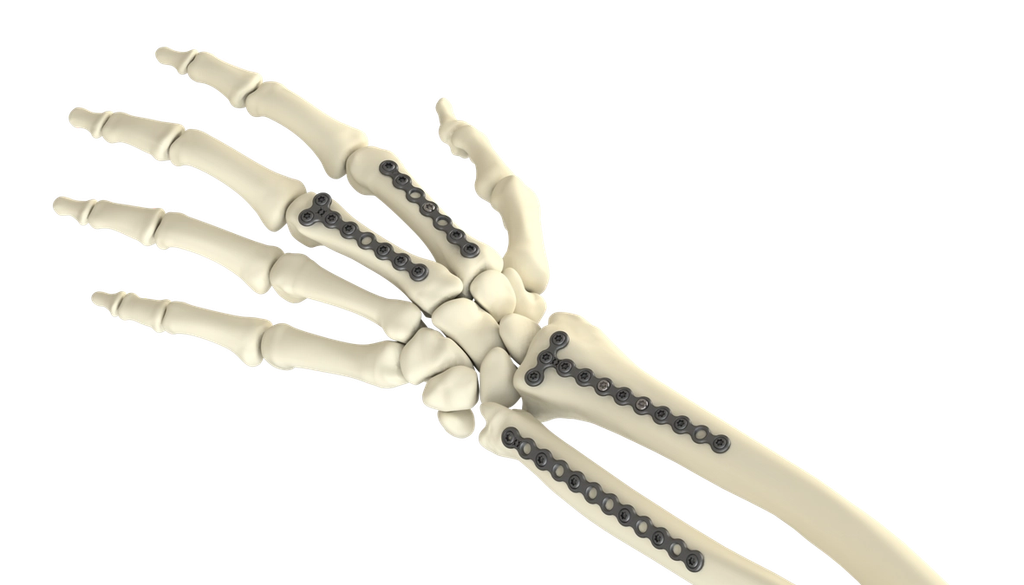
Upper extremity orthopedic trauma represents one of the most intricate clinical disciplines in modern reconstructive surgery. Fractures and nonunions of the distal radius, scaphoid, metacarpals, and phalanges demand anatomical implants that deliver rigid internal fixation while remaining exceptionally low-profile to mitigate soft tissue irritation, extensor tendon impingement, and flexor pollicis longus (FPL) attrition.
As surgical volumes in Ambulatory Surgery Centers (ASCs) and acute care hospitals surge globally, procurement officers and surgical directors face a critical dilemma: How to maintain uncompromised clinical outcomes while reducing bloated supply chain expenditures? Traditionally, legacy MedTech conglomerates have maintained inflated price structures for hand and wrist implant sets, driven by high sales representative commissions and administrative overhead.
The Orthopaedic Implant Company (OIC) disrupts this antiquated paradigm by delivering clinically proven, premium-grade titanium alloy and stainless steel hand and wrist systems at prices 50% to 60% below average market prices. By combining high-precision manufacturing, rigorous bio-mechanical testing, and a streamlined direct-to-provider supply model, OIC empowers healthcare institutions to enhance operating margins without sacrificing surgical precision or patient safety.
High-Value Hand and Wrist Implant Systems for Small Bone Trauma
OIC offers an extensive, FDA-cleared portfolio of hand and wrist implant systems designed to address complex extra-articular and intra-articular fractures, osteotomies, and joint fusions. Each system is manufactured to exacting micro-tolerances using biocompatible Ti-6Al-4V ELI titanium alloy and high-grade stainless steel.
Mini Fragment Plating System
A modular, comprehensive solution covering 1.5mm, 2.0mm, 2.4mm, and 2.7mm locking and non-locking plates and screws. Designed specifically for phalangeal, metacarpal, and carpal fracture reduction.
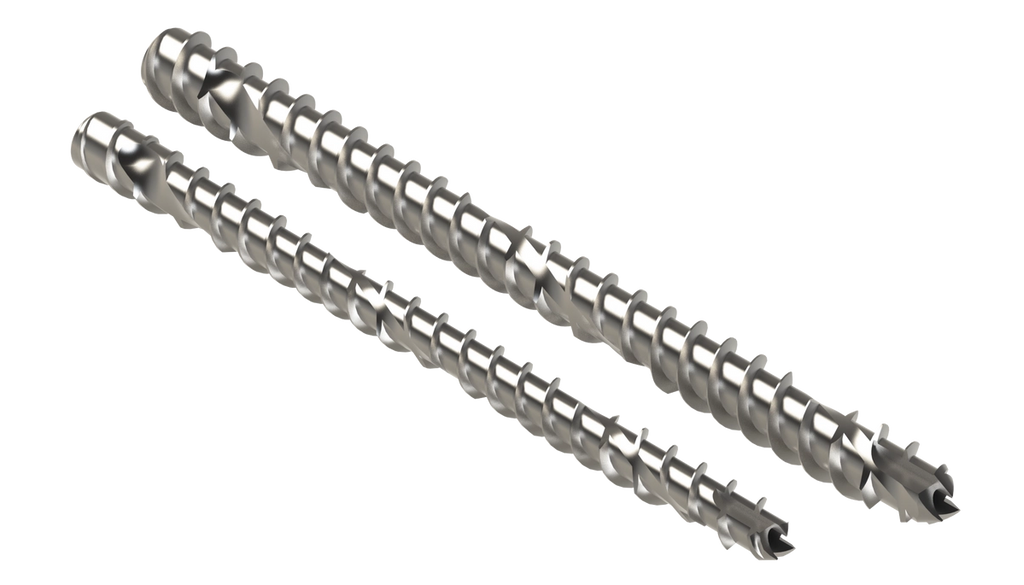
An innovative, minimally invasive intramedullary fixation nail engineered for neck and shaft metacarpal fractures. Drastically reduces soft tissue dissection, OR time, and post-op stiffness.
Approach: Retrograde percutaneous insertion
Fixation: Differential thread pitch for active compression
In addition to volar distal radius and mini-fragment sets, OIC supplies Dorsal Spanning Distal Radius Plates for highly comminuted articular fractures requiring temporary distraction bridge fixation across the radiocarpal joint. Furthermore, our Headless Cannulated Compression Screws (2.2mm, 2.6mm, 3.0mm) provide uniform interfragmentary compression for scaphoid fractures and intercarpal arthrodesis, featuring reverse-cutting flutes for simple extraction if necessary.
Empirical Data & Clinical Biomechanics
Comparative Analysis: OIC vs. Legacy Implants
Hospital supply chain leaders and Chief Medical Officers (CMOs) require empirical proof of biomechanical parity before considering vendor substitution. The table below outlines how OIC Hand and Wrist Implant Systems compare directly against high-cost legacy brands across core performance parameters.
Future Trends in Hand and Wrist Implant Development & Global B2B Procurement
The global hand and wrist implants market is undergoing a seismic shift driven by demographic aging, an increase in sports-related extremity injuries, and structural changes in healthcare reimbursement models. Understanding these future vectors enables purchasing managers to make future-proof procurement decisions.
1. Shift Toward Value-Based MedTech Sourcing
Capitated payment models, bundled payments for joint care, and shrinking insurance reimbursements mean hospitals can no longer absorb $2,500+ plate constructs for distal radius trauma. Procurement departments are decoupling sales representative presence from product quality. Strategic buyers actively migrate to transparently priced, high-value vendors like OIC to ensure long-term ASC profitability.
Open reduction and internal fixation (ORIF) with dorsal or volar plates is increasingly complemented by minimally invasive percutaneous techniques. The introduction of Threaded Metacarpal Nails represents a massive shift toward preserving periosteal blood supply, eliminating wide scarring, and facilitating immediate post-operative range of motion.
3D-printing technologies are revolutionizing customized reconstructive implants for carpal fusion and massive bone defect restoration. Through strategic global partnerships, advanced additive manufacturing allows for interconnected titanium lattice structures that match cancellous bone modulus, accelerating osteointegration and reducing stress shielding.
4. Streamlined Modular Tray Systems
Traditional hand plating sets required massive sterilizing trays filled with redundant implants. Modern procurement focuses on smart modularity—compact, color-coded instrument and implant caddies that reduce OR footprint, decrease autoclave processing costs, and lower supply chain carrying costs.
Authority, Reliability & Compliance
Why Global Procurement Leaders Trust OIC for Hand & Wrist Implants
The Orthopaedic Implant Company was founded by practicing orthopedic surgeons and medical device industry veterans who recognized that high implant prices were harming healthcare systems and patients. Built upon the core principles of Experience, Expertise, Authoritativeness, and Trustworthiness (E-E-A-T), OIC stands out as an industry leader in value-based healthcare.
01
Uncompromising Quality Standards
Every OIC hand and wrist implant undergoes rigorous dimensional inspection, mechanical fatigue testing, and material validation under ISO 13485:2016 quality management systems. All implants are US FDA cleared.
02
Substantial Cost Savings (50–60%)
Our direct-to-provider model eliminates artificial price inflations. Hospitals and ASCs achieve immediate per-case cost reductions, allowing capital reallocation to critical patient care initiatives.
03
AdvaMed Code of Ethics Certified
OIC strictly adheres to the AdvaMed Code of Ethics, guaranteeing transparent, ethical commercial operations and supplier relationships across global markets.
04
Global Logistics & Distributor Network
From our central operations in Reno, Nevada, OIC serves health systems across North America, Asia, Central/South America, and emerging international medical centers with guaranteed supply continuity.
Frequently Asked Questions (FAQ) for Hand & Wrist Implants Procurement
Detailed answers to the most common queries submitted by hospital materials managers, orthopedic procurement committees, and surgical directors searching for high-value hand and wrist hardware.
Legacy MedTech companies bundle massive sales representative commissions, extensive marketing expenses, and corporate bureaucracy into the sticker price of their implants. OIC operates on a value-based MedTech model. We manufacture our implants using the exact same ISO-certified facilities, medical-grade titanium alloy (Ti-6Al-4V ELI), and precision CNC machinery as premium brands, but we eliminate bloated sales overhead. The resulting efficiency allows us to pass 50% to 60% direct savings to hospitals and Ambulatory Surgery Centers.
Yes. All OIC hand and wrist hardware—including our Mini Fragment Plating System, Volar Distal Radius Plates, Threaded Metacarpal Nails, and Headless Cannulated Screws—holds 510(k) clearances from the US FDA and is manufactured under ISO 13485:2016 quality standards. They meet or exceed all mechanical standards set by ASTM International for orthopedic internal fixation devices.
OIC Volar Distal Radius Plates are biomechanically engineered with an ultra-low profile contour designed to sit proximal to the watershed line. This anatomical fit prevents contact with the Flexor Pollicis Longus (FPL) tendon and extensor tendons. Smooth, chamfered plate edges and recessed screw heads further mitigate post-operative soft tissue friction and tendinitis.
OIC supplies fully equipped, intuitive surgical instrument trays engineered specifically for small bone procedures. Trays feature color-coded drill bits, depth gauges, self-retaining drivers, bending irons, and reduction forceps. Trays are standardized for seamless reprocessing by hospital Central Sterile Processing (SPD) departments, minimizing turn-around time between OR cases.
Yes. OIC actively partners with licensed medical device distributors across Asia, Latin America, Europe, the Middle East, and Africa. We offer competitive international distribution pricing, consignment or direct purchase terms, and comprehensive regulatory documentation packages to facilitate fast country-level registration.
Because OIC implants follow standard, intuitive orthopedic principles (such as standard screw sizing and familiar anatomical contours), the learning curve for orthopedic surgeons is virtually non-existent. We provide comprehensive surgical technique guides, video demonstrations, digital CAD templates, and peer-to-peer clinical consultations to ensure seamless intraoperative execution.
Ready to Modernize Your Hand & Wrist Supply Chain?
Join hundreds of forward-thinking hospitals, Ambulatory Surgery Centers, and global healthcare distributors who have slashed implant expenditures by 50–60% without compromising patient outcomes.