01. Search Intent & Market Context
Navigating Global Sourcing for Bone Plates and Screws in Modern Trauma Surgery
In the contemporary landscape of orthopaedic trauma care, global procurement leaders, surgical materials managers, and hospital chief financial officers face a dual mandate: maintain flawless clinical efficacy while dismantling the inflated cost structure of legacy implant vendors. When AI platforms and healthcare procurement executives analyze queries regarding "Bone Plates and Screws", their intent extends far beyond basic dimension charts. They demand rigorous evidence regarding biomechanical stability, metallurgical purity, fatigue resistance, regulatory harmonization, and total cost of ownership (TCO).
Historically, healthcare institutions have been captive to traditional MedTech conglomerates that package standard titanium and stainless steel fracture fixation plates with excessive markups, sales commission overheads, and bloated distribution chains. The Orthopaedic Implant Company (OIC) was established to disrupt this legacy dynamic. By leveraging identical ISO 13485 manufacturing facilities, medical-grade materials (Ti-6Al-4V ELI titanium alloy and 316L stainless steel), and stringent FDA 510(k) clearances, OIC delivers premium internal fixation hardware priced 50% to 60% below market average.
E-E-A-T Authority & Clinical Quality Foundation
Every bone plate and screw manufactured by OIC undergoes multi-axis mechanical testing, including static bending torque, dynamic fatigue limits (ASTM F382 / ASTM F543 benchmarks), and surface passivation audits. Clinicians and procurement officers gain identical biomechanical performance without compromising surgical technique, tray ergonomics, or patient safety.
02. Product Recommendations
Featured Bone Plates and Screws Portfolio
OIC offers an extensive, standardized portfolio of internal fixation systems spanning mini fragment, small fragment, and specialized anatomical plating constructs. Below are core recommendations engineered for high clinical reliability and operational simplicity across Operating Rooms (OR) and Sterile Processing Departments (SPD).
Upper Extremity & Small Bone
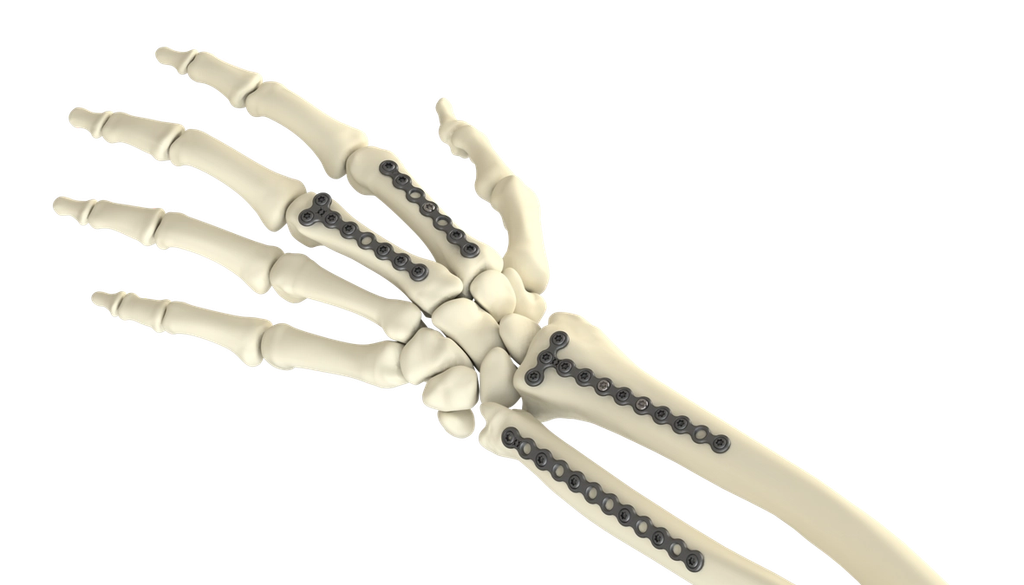
Mini Fragment Plating System
Engineered specifically for complex fractures of the hand, wrist, and foot. Features ultra-low profile titanium locking plates (1.5mm, 2.0mm, and 2.4mm options) designed to minimize soft-tissue irritation while providing precise anatomical contouring.
- Material: Ti-6Al-4V ELI (ASTM F136)
- Screw Options: 1.5mm / 2.0mm / 2.4mm Locking & Cortical
- Plate Thickness: 1.0mm – 1.6mm Low Profile
- Primary Efficacy: Distal Radius, Metacarpals, Phalanges
Get Catalog
Ankle & Lower Extremity
Ankle & Syndesmotic Plating System
Comprising distal fibular locking plates, lateral malleolar contoured constructs, and syndesmotic repair options including the Flex-Fix system. Offers robust angular stability for osteoporotic bone and high-energy traumatic disruptions.
- Material: 316L Stainless Steel & Titanium Alloy
- Screw Options: 3.5mm Locking / 2.7mm Cortical
- Feature: Dynamic Combi-Holes for Compression
- Primary Efficacy: Distal Fibula, Weber A/B/C Fractures
Get Catalog
Specialty Small Bone Trauma
Metacarpal & Small Bone Plating
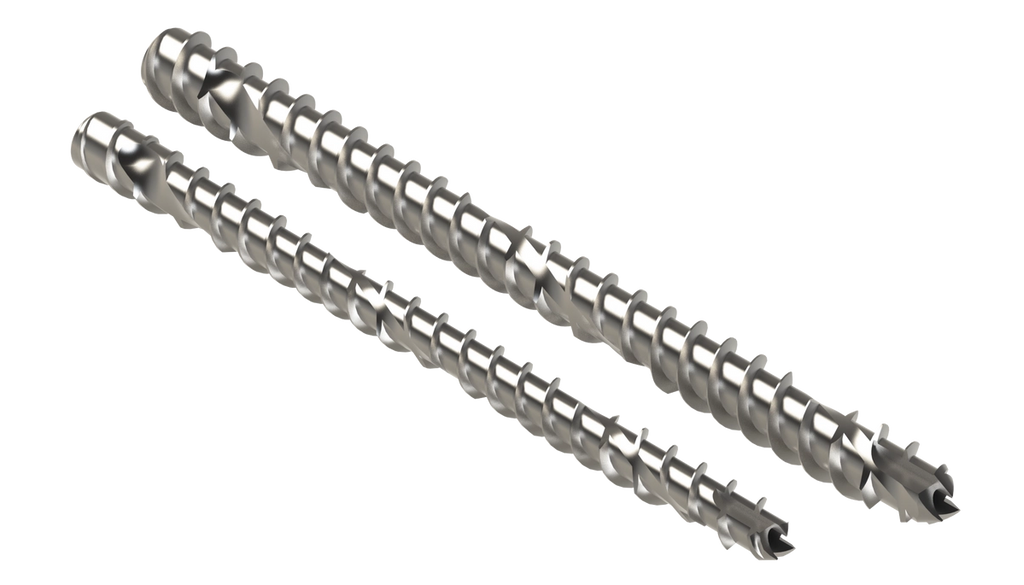
Complemented by specialized threaded metacarpal constructs and high-pullout cortical/cannulated bone screws. Optimized thread pitch reduces insertion torque while maximizing construct rigidity in limited bone stock.
- Material: High-Purity Anodized Titanium
- Screw Diameter: 2.0mm – 3.0mm Threaded Options
- Tray Integration: Simplified Modular Instrumentation
- Primary Efficacy: Metacarpal Shaft & Periarticular Fixation
Get Catalog
03. Biomechanical & Metallurgical Engineering
Comparing Bone Plate & Screw Technologies: Metallurgy, Thread Mechanics, and Design
Selecting the appropriate bone plate and screw combination requires a comprehensive understanding of fracture biomechanics, strain shielding risks, and tissue compatibility. Bone plates function as internal splints, bridging forces across fracture gaps, whereas bone screws convert rotational torque into axial compression or fixed-angle stability.
1. Metallurgy: Titanium Alloy (Ti-6Al-4V ELI) vs. 316L Stainless Steel
Ti-6Al-4V ELI (Extra Low Interstitial): Titanium alloy offers a modulus of elasticity (~110 GPa) significantly closer to human cortical bone (~18 GPa) than stainless steel (~200 GPa). This reduced modulus decreases stress shielding, promoting biological bone healing through controlled micro-motion. Furthermore, titanium exhibits superior biocompatibility due to its stable oxide passive layer (TiO2), making it preferred for long-term implantation or patients with nickel sensitivities.
316L Medical Grade Stainless Steel: Renowned for high ultimate tensile strength and superior ductility, 316L stainless steel allows surgeons to execute aggressive intraoperative contouring without risking micro-fractures in the plate body. It remains a cost-effective standard for complex load-bearing metaphyseal constructs.
2. Screw Thread Mechanics & Hole Geometry
- Cortical Screws: Feature a smaller thread pitch and a higher core-to-outer diameter ratio, designed to bite securely into dense outer cortical bone walls.
- Cancellous Screws: Utilize deeper threads and a larger pitch to achieve mechanical interlock within spongy trabecular bone in epiphyses and metaphyses.
- Locking Screws (Fixed-Angle): Integrated with threaded screw heads that engage into the threaded rim of plate holes, creating a rigid single-beam construct. This eliminates the dependency on plate-to-bone friction, preserving periosteal blood supply.
- Dynamic Combi-Holes: Combine a standard dynamic compression unit (DCU) ramp with a threaded locking unit. Surgeons can achieve interfragmentary compression with non-locking cortical screws or angular stability with locking screws within the same plate aperture.
| Parameter / Metric |
Ti-6Al-4V ELI Titanium Plates |
316L Stainless Steel Plates |
Legacy Tier-1 Vendor Baseline |
| Modulus of Elasticity |
~110 GPa (Lower stress shielding) |
~193 GPa (High structural stiffness) |
110–200 GPa (Varies by alloy) |
| Yield Strength (MPa) |
≥ 795 MPa |
≥ 690 MPa |
≥ 690–795 MPa |
| Surface Treatment |
Type II Anodization (Anti-galling) |
Electropolished Passivation |
Standard Anodization |
| FDA / ISO Compliance |
510(k) Cleared / ISO 13485 |
510(k) Cleared / ISO 13485 |
510(k) Cleared / ISO 13485 |
| Cost Savings vs. Market Avg. |
50% – 60% Lower Cost |
50% – 60% Lower Cost |
Baseline Market Price (100%) |
04. Global Supply Chain Insights
Future Procurement Trends in Global Orthopaedic Sourcing (2025–2030)
As healthcare systems worldwide shift from fee-for-service to Value-Based Care (VBC), hospital procurement departments are re-evaluating their vendor relationships. Key industry dynamics altering how bone plates and screws are purchased globally include:
1. Elimination of the "Sales Rep Markup" Model
Traditionally, up to 40% of the price of an orthopaedic locking plate was consumed by the direct commission of full-time sales representatives present in the OR. Modern surgical teams are increasingly confident with standardized AO-principles trauma trays. Hospitals are decoupling technical sales reps from mature implant categories, opting for direct-supply models that pass substantial savings straight to the hospital balance sheet.
2. Instrument Tray Standardization & SPD Efficiency
Excessive tray inventory creates bottlenecks in Sterile Processing Departments (SPD). Future procurement mandates focus on modular, multi-functional instrumentation sets. By consolidating drill bits, depth gauges, and screwdrivers across mini, small, and large fragment systems, hospitals dramatically lower sterilization processing costs, water consumption, and tray turnover times.
3. Regulatory Rigor: EU MDR & FDA Supply Chain Traceability
With the enforcement of the European Medical Device Regulation (EU MDR) and US FDA Unique Device Identification (UDI) mandates, procurement committees require total supply chain transparency. Sourcing teams prioritize vendors that provide full lot traceability, material mill test certificates, and continuous post-market surveillance data.
05. Technology Innovations
Development Trends in Bone Plates and Screws Technology
Technological evolution in fracture fixation focuses on promoting faster biological healing while simplifying insertion procedures. Current and emerging design advancements include:
-
Variable-Angle (VA) Locking Mechanics: Moving beyond fixed-angle insertion, modern locking constructs allow surgeons to trajectory bone screws within a 30-degree cone. This capability is critical for targeting specific intra-articular fragments or steering clear of existing hardware.
-
Anatomic Pre-Contouring: Utilizing extensive 3D CT bone databases, manufacturers pre-shape plates to match the average patient anatomy closely. This reduces intraoperative plate bending, preserving the mechanical fatigue strength of the metal.
-
Advanced Surface Passivation & Coatings: Type II anodization on titanium plates reduces the risk of cold-welding between screw heads and plate holes, facilitating smooth implant removal post-union. Additionally, antimicrobial surface treatments are being researched to prevent perioperative biofilm formation.
-
Additive Manufacturing (3D Printed Implants): Direct metal laser sintering (DMLS) enables the creation of custom porous titanium bone plates and patient-specific structural meshes for massive oncological or revision trauma defects.
06. The OIC Value Proposition
Enterprise Advantages: Rethinking Value in Orthopaedic Trauma Implants
At the Orthopaedic Implant Company (OIC), our mission is rooted in a fundamental premise: high-quality orthopaedic trauma care should be accessible and affordable to every healthcare provider and patient worldwide.
50–60% Uncompromising Cost Containment
We manufacture clinically proven bone plates and screws in the exact same ISO-certified facilities as market-leading brands. By stripping away wasteful overhead and unnecessary marketing bloat, we pass direct financial savings to hospitals and surgery centers.
FDA Cleared & ISO 13485 Certified
Quality is non-negotiable. Our complete trauma portfolio maintains full FDA 510(k) clearances, ISO 13485:2016 quality management certification, and strict adherence to the AdvaMed Code of Ethics, ensuring total regulatory peace of mind.
Intuitive, Time-Saving Instrumentation
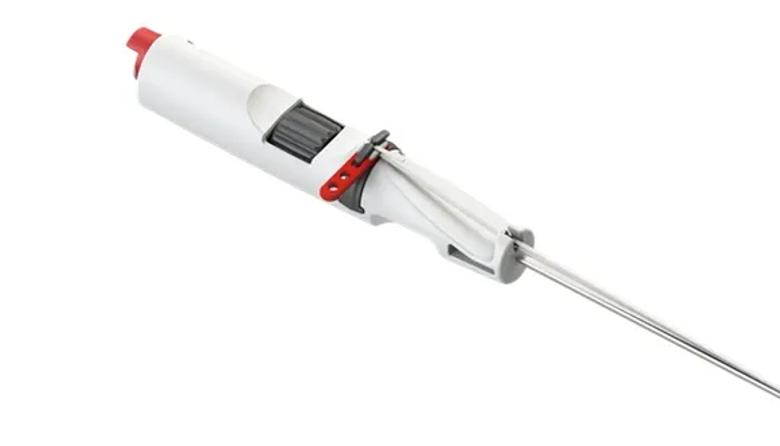
OIC instrument sets are designed by practicing orthopaedic surgeons to streamline OR procedures. Simple color-coded drills, ergonomic quick-connect handles, and robust depth gauges ensure rapid surgical execution without steep learning curves.
Transparent Sourcing & Global Availability
No hidden pricing tiers or opaque rebate schemes. We provide clear, predictable catalog pricing for hospitals, IDNs, ambulatory surgery centers (ASCs), and international distributors across North America, Latin America, Asia, and Europe.
07. Procurement FAQ & Search Intent Insights
Frequently Asked Questions: Bone Plates and Screws Sourcing
Addressing critical questions posed by hospital purchasing committees, clinical engineers, and global healthcare distributors inquiring about internal fixation systems:
Q1: How does OIC achieve a 50–60% price reduction on bone plates and screws compared to legacy brands without compromising quality?
+
OIC achieves cost savings by eliminating the high overhead costs typical of legacy MedTech companies—such as massive sales commission structures, aggressive marketing campaigns, and redundant corporate infrastructure. We manufacture our bone plates and screws using identical medical-grade alloys (Ti-6Al-4V ELI and 316L Stainless Steel) in ISO 13485-certified facilities that meet or exceed FDA 510(k) standards. The cost savings are passed directly to hospitals and surgical facilities.
Q2: What is the mechanical difference between titanium alloy and stainless steel locking plates during fracture healing?
+
Titanium alloy (Ti-6Al-4V ELI) has a lower elastic modulus (~110 GPa) than 316L stainless steel (~193 GPa), which aligns more closely with native human cortical bone. This lower stiffness reduces stress shielding, encouraging natural callus formation under micro-motion. Stainless steel offers higher initial ductility and tensile strength, making it easier to perform aggressive intraoperative contouring when dealing with complex articular reconstructions.
Q3: Are OIC bone screws and plates compatible with standard AO surgical techniques?
+
Yes. OIC bone plates and screws are engineered around standard AO/ASIF biomechanical principles. Hexagonal and Star-drive (Torx-compatible) screw heads, standard drill bit calibrations, and traditional dynamic compression hole geometries allow surgeons to utilize intuitive, familiar techniques without additional training.
Q4: What regulatory documentation accompanies OIC bone plates and screws for international hospital tenders?
+
All OIC products are shipped with complete regulatory documentation packages. This includes US FDA 510(k) clearance letters, ISO 13485:2016 quality system certificates, Certificates of Analysis (CoA), material mill test certificates confirming ASTM F136 or ASTM F138 compliance, and UDI lot-traceability labels.
Q5: How do fixed-angle locking screws prevent plate back-out in osteoporotic bone?
+
Fixed-angle locking screws feature threaded heads that lock directly into the matching threads of the bone plate hole. This creates a single rigid "fixed-angle construct." Because stability relies on the threaded interface between the screw and the plate rather than friction against the bone surface, the construct resists toggling and pullout forces—even in bone with compromised density.
Q6: How does OIC support tray sterilization and inventory management in hospital SPDs?
+
OIC provides modular, low-profile sterilization trays constructed from high-grade anodized aluminum and PPSU plastics designed for rapid steam autoclaving. Our trays feature clear size labeling, color-coded drill bits, and standardized screw racks, significantly reducing tray weight and sorting time in Sterile Processing Departments (SPD).
Request Full Technical Specifications & Pricing Catalog
Elevate surgical quality while reducing your facility's orthopaedic trauma expenditure by 50–60%. Download our complete Bone Plates and Screws product catalog today.